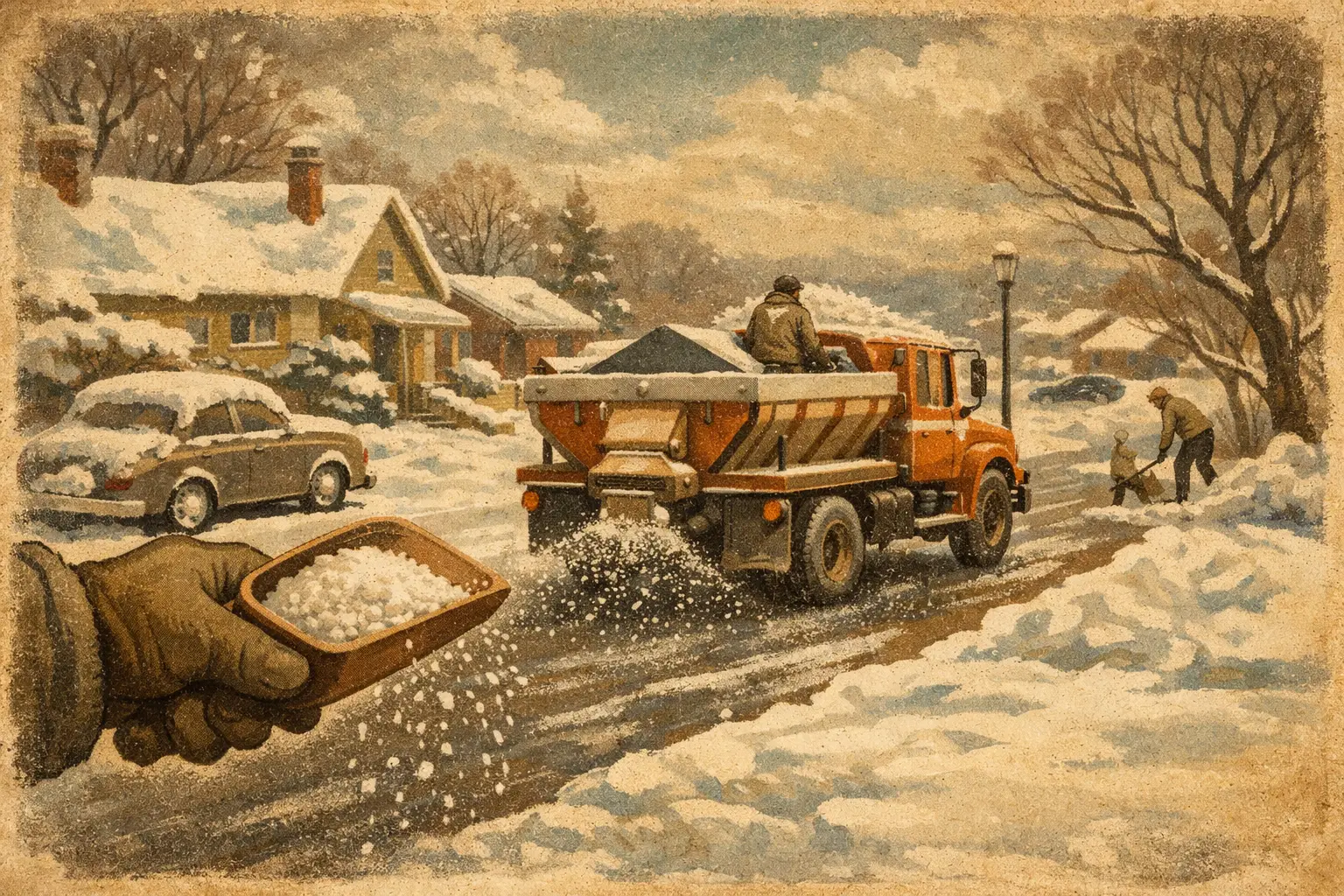
The snow may be gone by morning, but a thin sheet of ice can still turn the front steps, sidewalk, or driveway into the most dangerous part of the day. A snow salting service helps homeowners and renters get ahead of that problem by treating surfaces before or after winter weather makes them slick.
For many Mid-Ohio Valley households, salting is not about avoiding a chore. It is about making it safer to leave for work, bring in groceries, walk the dog, welcome family, or get a delivery at the door. When temperatures bounce above and below freezing, the right timing matters as much as the salt itself.
What a snow salting service does
A snow salting service applies de-icing material to paved areas where people and vehicles need traction. That can include front walks, steps, porches, driveways, garage approaches, sidewalks, and smaller paths leading to a mailbox or trash bins.
Salt works by lowering the freezing point of water. When applied at the right time, it can help prevent snow and ice from bonding tightly to pavement. After a storm, it can help loosen packed snow and melt thin layers of ice. It is useful, but it is not magic. Very low temperatures, heavy snowfall, drifting snow, rain followed by a hard freeze, and thick ice may call for snow removal or scraping before salting can do its best work.
That distinction is worth making when you post a job. Salting alone is a good fit when your surfaces are mostly clear but slippery, or when a storm is on the way. If your driveway has several inches of snow, ask for snow removal and salting together. Clear pavement gives the de-icer a better chance to work.
When to schedule salt treatment
The best time to arrange service depends on the forecast and your property. A pre-treatment before snow or freezing rain can be a smart choice when conditions are expected overnight and you need a safe path early the next morning. It may reduce the amount of ice that sticks to your driveway or walkway.
After a storm, prompt treatment is often the better option. Snow gets compacted quickly under tires and foot traffic. Then daytime melting can run across a driveway and refreeze after sunset. That is when a clear-looking surface can become unexpectedly slick.
Consider booking help when you expect any of these situations:
- Freezing rain, sleet, or a rain-to-freeze forecast
- Overnight snow before an early workday, school run, or appointment
- Temperatures that will fall below freezing after daytime thawing
- Icy steps or walks that make it hard for children, guests, pets, or older family members to get around
- A rental, vacant home, or second property that you cannot check in person
It also depends on the layout of your home. A short, flat front walk may need less attention than a steep driveway, shaded sidewalk, or several outdoor steps. Shaded areas often stay icy longer because the sun does not reach them enough to speed melting.
What to include when posting the job
A clear job post helps a local worker understand the scope and respond with a realistic price and arrival time. You do not need contractor language. Just describe the surfaces that need treatment, when you need it done, and any access details that will make the visit easier.
For example, you might say that you need the front steps, a 40-foot sidewalk, and a two-car driveway salted before 7 a.m. Or explain that snow has already been shoveled, but ice remains at the bottom of the driveway and on the porch. Photos can be especially helpful when there are steep areas, narrow paths, or visible ice.
Let the worker know about practical details such as parked vehicles, gate codes, a loose handrail, pets in the yard, or the safest place to park. If you have a preferred product, mention it. Some households want a standard de-icer for pavement, while others may prefer an option that is more mindful of pets, plants, or particular surfaces.
Price can vary based on square footage, access, ice conditions, timing, and whether the job includes shoveling or repeated visits. During a fast-moving winter event, availability can change quickly. Posting early gives you more time to compare responses, ask questions, and arrange the details without rushing.
Salt choices and property care
Not all ice melt products perform the same way. Traditional rock salt is common and effective in many conditions, but it can leave residue and may be tougher on grass, plants, concrete, and pets’ paws if heavily used. Other de-icers may work at lower temperatures or be gentler for certain areas, though they can cost more.
The right choice depends on your weather, budget, and property. A worker can apply material with a spreader for broad, even coverage or treat problem spots by hand. More product is not always better. Excess salt can be tracked indoors, carried into the lawn, or left on pavement long after the ice is gone.
If you have a newer concrete driveway, decorative stone, sensitive landscaping, or pets that regularly use the walk, say so before the work begins. A good conversation about the surface and the product is more useful than assuming every de-icer is the same.
After treatment, give the product time to work and watch for refreezing. Brush off loose snow when possible, and place a mat inside the entryway to catch residue from shoes and paws. If you notice slick patches returning later in the day, a follow-up treatment may be needed, especially where melting water crosses the pavement.
How to find help without the phone-tag
Winter weather does not wait for business hours, and calling several companies while watching an icy forecast is frustrating. A local marketplace gives you a simpler way to explain what you need, choose a time, and connect directly with nearby people who are ready to work.
With Lawns, you can post a snow salting job with your location, preferred timing, and budget. Nearby independent workers can respond, and you can use in-app chat to confirm the areas to be treated, discuss product preferences, and sort out access instructions. Reviews help you make a more informed choice, while secure in-app payment is completed after you are satisfied with the work.
That direct connection is useful for one-time storms, but it can also help you build a dependable winter routine. If you know your driveway becomes icy after every thaw, post early whenever freezing temperatures are expected. If you travel often or help care for a family member, arranging treatment for their home can provide peace of mind when you cannot be there yourself.
A safer path starts before the ice forms
No salt treatment can remove every winter risk. People should still wear shoes with good traction, use handrails, move carefully, and keep an eye on changing conditions. But treating the places your household uses most can make the day easier and reduce one more worry when the forecast turns.
When the next freeze is on its way, think beyond the snow you can see. A clear path tonight can become a sheet of ice by morning, and a little local help arranged early can keep your home easier to navigate for everyone who comes through the door.

