How to Set Your Service Price for Local Jobs

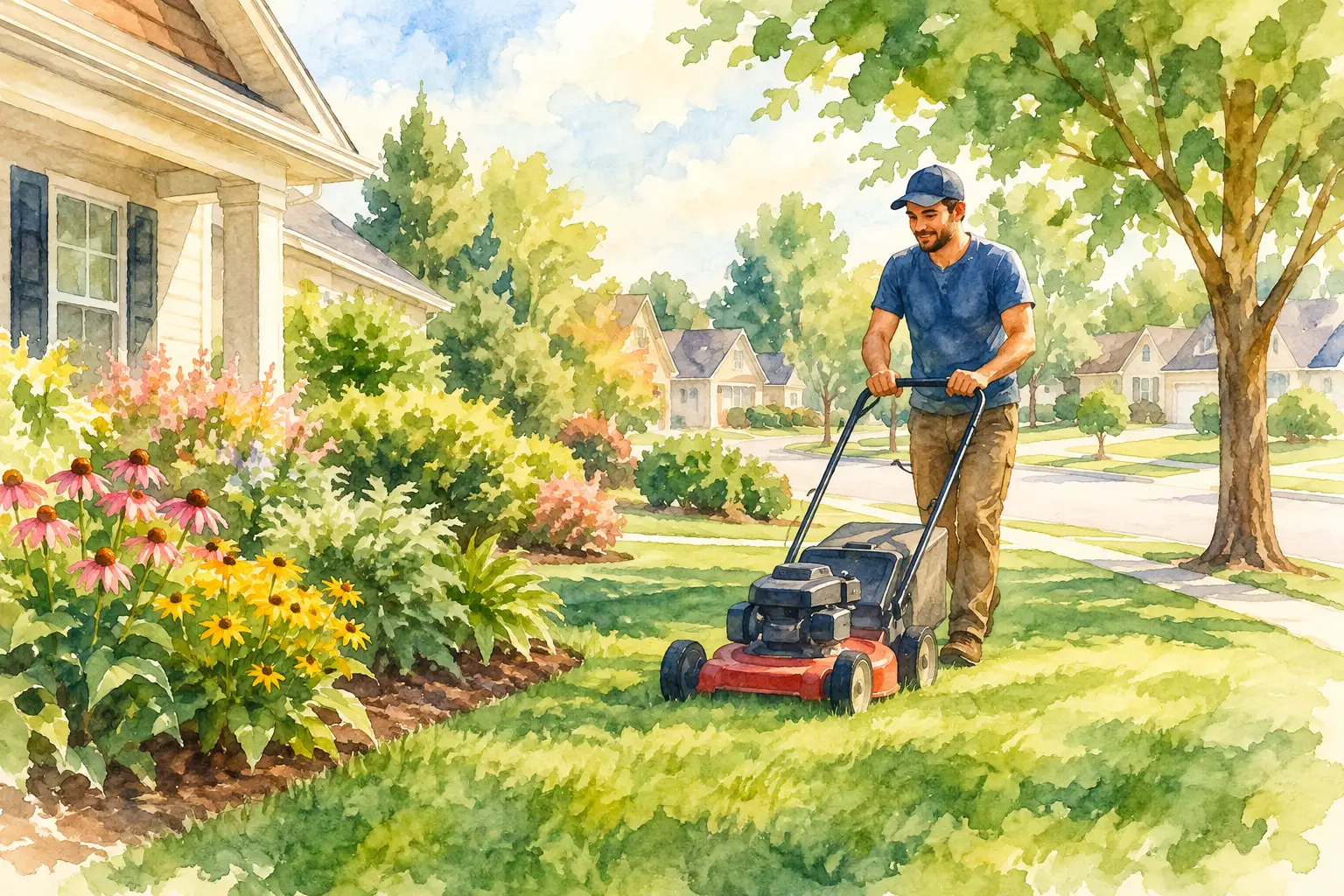
A lawn that needs mowing before the weekend, a driveway covered in snow, or a pile of brush that needs hauled away may look like a quick job. But a fair price has to cover more than the minutes spent doing the work. When you set your service price, you are deciding what your time, skills, equipment, travel, and reliability are worth to a neighbor who needs help.

For local workers, pricing is not about trying to be the cheapest person in town. It is about giving customers a clear, reasonable number while making sure the job is worth accepting. A price that is too low can leave you tired, underpaid, and unable to keep doing quality work. A price that is too high without a clear reason may make it harder to win the job. The right number sits in the middle: fair to the customer, sustainable for you.

How to Set Your Service Price Without Guessing

Start with the job itself, not a random number you saw online. Two lawn mowing jobs can be completely different. One might be a small, flat yard five minutes from home. Another may have a steep hill, thick grass, trimming around fences, bagging, and a long drive. Customers appreciate a price that reflects the actual work, especially when you explain what is included.

Before replying to a job, think through four basics: the time it will take, the supplies or equipment involved, your travel, and the level of effort or skill required. These details give you a practical starting point.

Time is usually the biggest factor. Estimate the full time commitment, including loading up, driving over, talking through the job, doing the work, cleaning up, and getting to your next stop. If a task takes one hour on-site but adds 30 minutes of travel and cleanup, it is really a 90-minute job.

Your equipment has value, too. Mower blades wear down. Fuel costs money. Snow removal may involve salt, shovels, a blower, or a plow. Power washing uses water, cleaning products, and equipment that needs maintenance. Build those real costs into your price rather than hoping they will somehow work themselves out later.

Know Your Minimum Before You Negotiate

Every worker should have a personal minimum for taking a job. This is not necessarily what you advertise. It is the lowest amount that makes a job worthwhile after your time and expenses.

For example, you may decide that a quick dog-walking visit close to home needs to pay at least a certain amount because you still have to travel there and back. A small yard cleanup might have a higher minimum because loading and disposing of debris takes time even if the yard itself is small. A minimum protects you from agreeing to work that costs you more energy and money than it returns.

Your minimum may change based on the season and your schedule. During a busy week, a low-paying job that blocks out an afternoon may not make sense. On a slower day, a simple nearby task may be worth taking at a more flexible price. That is not inconsistency. It is making a practical decision about your available time.

Match the Way You Price to the Type of Work

Some services are easiest to price by the hour. General odd jobs, light cleaning, organizing, gardening help, and tasks with an uncertain scope often fit this approach. An hourly rate gives both sides flexibility when the work may uncover surprises.

Other jobs work better with a fixed price. Customers often prefer a clear total for mowing a known yard, walking a dog for a set length of time, washing a driveway, or hauling away a defined pile of junk. Fixed prices can also be good for you because efficient work should not lower what you earn.

The key is to be specific about what the fixed price covers. A yard cleanup price, for instance, can include raking, bagging, and placing bags at the curb, while removal or dump fees may be separate. A snow-removal price can cover one driveway and walkway after a typical snowfall, with deeper snow or additional salting priced differently. Clear boundaries prevent uncomfortable conversations after the work is done.

For recurring work, such as weekly mowing, pool checks, pet care, or routine cleaning, consider offering a consistent rate. A regular customer can be valuable because you spend less time searching for jobs and can plan your schedule more efficiently. Still, do not lock yourself into a rate that stops making sense when the property changes, fuel costs rise, or the work expands.

Check the Local Market, Then Price Your Own Work

Knowing what similar workers charge nearby is useful, but it should not be the only thing that sets your rate. Ask around, look at local job postings, and pay attention to what customers expect for comparable work in the Mid-Ohio Valley. This helps you avoid pricing far outside the local range.

Then consider what makes your offer different. Maybe you have professional-grade equipment, experience with difficult terrain, a reliable truck for hauling, flexible evening availability, or strong reviews from past customers. Those are real reasons a customer may choose you over the lowest bid.

At the same time, avoid charging more simply because a customer sounds desperate. Neighbors sometimes need help quickly because of a family obligation, a storm, an injury, or an upcoming gathering. Urgent work can reasonably cost more when it disrupts your schedule or requires a rush, but explain why. Fairness builds the kind of reputation that brings repeat work.

Ask Questions Before You Give a Final Number

A few good questions can save you from a bad estimate. If photos are available, look closely. If they are not, ask for details that affect the work. For lawn care, ask about lot size, gates, hills, thick growth, and whether clippings need removed. For junk removal, ask what needs hauled, whether there are stairs, and whether heavy items need two people.

For cleaning, find out the number of rooms, whether supplies are provided, and what level of cleaning is expected. For snow work, ask about driveway size, sidewalks, steps, and whether the customer wants salt applied. You do not need to interrogate anyone. You just need enough information to make a promise you can keep.

If the job has too many unknowns, offer an estimate rather than pretending the price is final. You can say that the listed amount covers the described work and that you will confirm any added cost before doing anything outside that scope. This protects the customer from surprise charges and protects you from taking on much more than you agreed to.

Explain Your Price Like a Professional Neighbor

You do not need a long sales pitch. A short, friendly explanation can make a fair price feel much easier to accept. Try language like: “I can take care of the mowing, trimming, and blowing off the sidewalk for $65.” Or: “For the cleanup shown, including bagging the leaves, I can do it for $120. Hauling the bags away would be extra if you need that.”

Notice what these messages do: they name the work, state the price, and make any limits clear. They also sound helpful rather than defensive. Customers want to know what they are getting, and you want to avoid vague agreements such as “I’ll clean up the yard” or “I’ll take care of the driveway.”

If a customer offers less than your price, do not feel pressured to say yes right away. You can politely explain what your quote includes, offer a smaller version of the job, or decline if it does not meet your minimum. For instance, you might offer mowing without bagging, or ask the customer to have debris gathered before you arrive. A lower budget does not always mean the job is impossible. It may simply need a different scope.

Build Trust Through Consistent Pricing

Your price is part of your reputation. Showing up when you say you will, communicating if weather changes the plan, and completing the work you quoted creates more value than a bargain price ever could. Customers remember the worker who left the property looking good and handled the details with respect.

Keep simple notes after each job. Record how long it actually took, what supplies you used, and whether your estimate was accurate. After several jobs, you will start to see patterns. Maybe your mowing prices are right on target, but hauling jobs take longer than expected. Maybe a certain neighborhood is convenient enough that you can offer a better rate for repeat customers. Those notes turn experience into better pricing.

When your skills, reviews, or demand grow, it is reasonable to raise your rates. Give recurring customers notice, be straightforward about the change, and continue delivering dependable work. People are often willing to pay a fair price when they know they can count on you.

On a local marketplace like Lawns, a clear price and honest communication help both sides start on the right foot. You are not just completing a task. You are helping someone care for their home while building a stronger local work network, one well-priced job at a time.

Secure Payment for Local Jobs Without Guesswork

A yard cleanup should not end with an awkward conversation in the driveway about whether cash is available, a check will clear, or an online transfer went to the right person. Secure payment for local jobs gives both neighbors a clearer finish line: the work gets done, the customer confirms they are satisfied, and the worker gets paid through the app.

That matters whether you need someone to mow a sloped yard in Parkersburg, walk the dog while you are away for the weekend, clear snow before an early shift, or haul away the pile that has been sitting by the garage too long. Small local jobs are personal. Payment should feel straightforward, fair, and protected for everyone involved.

Why local job payments need more than a handshake

Hiring a neighbor has real advantages. They are nearby, understand the area, and often depend on a good local reputation to keep earning work. But even between good people, informal payment can create confusion. A customer may wonder whether it is safe to pay before the work is finished. A worker may worry about putting in hours of labor only to hear that payment will come later.

Cash can be convenient, but it is easy to misplace and leaves little record. Checks take time and can create uncertainty. Sending money through a personal payment app may work for someone you already know well, yet it does not always give either side a clear connection between the payment and the agreed job.

A marketplace payment process helps put the job details, messages, price discussion, and payment in one place. That does not remove the need for good communication, but it gives both people a shared record of what was arranged.

What secure payment for local jobs should look like

For customers, security starts with control. You should be able to post what you need, include the location and timing, and state a preferred budget. When nearby workers respond, you can talk through the scope before anyone arrives. If a yard needs mowing, trimming, and leaf removal, say so. If only the front lawn needs attention, make that clear too.

The agreed price should match the actual job. Some work is simple and predictable, such as a dog walk or a standard lawn mow. Other tasks, including junk removal, brush hogging, gutter cleaning, or a large cleanup, may need photos, a closer look, or a revised price after the worker sees the property. That is normal. The key is agreeing on the change in the app before the extra work begins.

For workers, secure payment means knowing that a completed job has a clear path to pay. Workers should not have to chase down a customer, send repeated reminders, or hope a verbal promise turns into a transfer days later. A reliable in-app process respects the time, equipment, fuel, and skill that local work requires.

For both sides, the best experience is simple: agree on the details, complete the job, confirm satisfaction, and process payment. No stacks of receipts. No uncertainty over whether a username was entered correctly. No pressure to hand over cash before you have seen the finished work.

Keep the job details in writing

A secure transaction starts before payment. Use in-app chat to confirm the practical details: what needs done, when the worker will arrive, what equipment is needed, where to park, and how the customer wants the property left afterward.

For example, a snow removal job can sound straightforward until both people realize one expects the sidewalk salted and the other only expects the driveway cleared. A quick message beforehand can prevent disappointment later. The same goes for power washing, gardening, window cleaning, pool care, and car detailing.

Photos can help when the work involves a specific area or a pile of materials to remove. They are especially useful for jobs with variables, where a price depends on size, access, debris, or the condition of the property. Clear expectations protect a worker from scope creep and protect a customer from surprise charges.

Pay after the work meets the agreement

Customers deserve a chance to see that the job was completed as discussed. Workers deserve timely payment once that happens. Those two needs are not in conflict when the process is built around completion and customer approval.

Before confirming payment, take a few minutes to check the work. Walk around the yard after mowing. Look at the cleared walkway after snow removal. Make sure the agreed bags of junk are gone or the gutters are cleaned as requested. If something minor needs attention, communicate promptly and respectfully while the worker is still available.

Most local jobs are completed without a problem. When a concern does come up, specifics make it easier to resolve. Instead of saying the work was not right, explain what is missing from the original agreement. Was a side gate left unlatched? Was a section of the yard missed? Was the dog walk shorter than arranged? A fair conversation has a better chance of ending well when it stays focused on the task.

Trust is built one completed job at a time

Payment security is only part of hiring locally, but it supports everything else. Reviews, worker vetting, direct communication, and a record of completed jobs all help people make better decisions before they hire or accept work.

Customers can feel more comfortable inviting help onto their property when they can learn from other neighbors’ experiences. Workers can build a reputation through dependable arrival times, respectful communication, and work that matches the job description. Over time, those good experiences become valuable local word-of-mouth, even when the introduction happened through an app.

This is why ratings should be used thoughtfully. A review is most helpful when it explains what went well: the worker showed up when promised, handled a difficult hill, cleaned up afterward, or communicated clearly when weather caused a delay. Honest feedback helps other residents choose confidently and gives hardworking local people a chance to earn more nearby work.

A few habits that protect customers and workers

The payment tool matters, but the way people use it matters too. Customers should avoid asking a worker to begin a larger or different task without updating the agreement first. Workers should avoid accepting a job description they do not fully understand. If the price, timing, or scope changes, put the new plan in the app.

Never share account passwords, verification codes, or sensitive financial details in a chat. A legitimate payment process should not require either person to send private banking information to the other. Keep messages focused on the work and use the platform’s payment flow when it is time to pay.

It also helps to be realistic about price. A low budget may be appropriate for a quick task, but jobs involving heavy lifting, specialized tools, long driveways, steep terrain, disposal fees, or extra cleanup can cost more. Workers should quote honestly, and customers should ask questions before accepting. A clear price is better than a cheap estimate that turns into a disagreement.

Keeping local work local

When payment is handled safely, it does more than make one transaction easier. It helps local workers take on flexible jobs with confidence. It helps busy families, older adults, renters, and property owners find practical help without calling around for days. And it keeps more spending circulating among the people who live and work nearby.

Lawns is built around that neighbor-to-neighbor idea: post a job, connect with nearby workers, arrange the details, and pay after you are satisfied. Whether the task takes thirty minutes or most of an afternoon, both sides deserve a process that feels fair.

The next time a job around the house keeps getting pushed to another weekend, choose a clear agreement, communicate well, and let secure payment give the work the proper finish it deserves.

How to Get Local Junk Removal Without the Runaround

That old couch in the garage, the brush pile behind the shed, and the boxes left after a move all have one thing in common: they take up more than space. They take time, energy, and often a vehicle you may not have. When you need to get local junk removal, the best option is usually not the first number you find. It is a nearby worker who understands the job, shows up when promised, and can handle the items responsibly.

For homeowners, renters, families, and older adults across the Mid-Ohio Valley, junk removal is often part of a larger project. You may be clearing a basement before guests arrive, cleaning out a rental, preparing a home for sale, or finally tackling a yard that has collected more than leaves. A clear plan helps you get the help you need without paying for confusion, delays, or unnecessary hauling.

How to Get Local Junk Removal With Less Stress

The easiest junk-removal jobs start before anyone loads a truck. Take a few minutes to walk through the area and separate what needs to go from what can stay, be donated, recycled, or given away. That step keeps a worker from hauling items you meant to keep and gives you a more accurate idea of the size of the job.

Then think in practical terms. Is this a few bags and a broken chair? A garage full of household items? Construction debris after a small renovation? A pile of branches, old fence boards, and outdoor clutter? The more clearly you describe the work, the easier it is for a local worker to decide whether they have the truck, tools, and time to help.

Photos make a real difference. A wide photo shows access to the property and the overall amount of material. Closer photos show heavy, awkward, or unusual items such as mattresses, appliances, televisions, exercise equipment, or furniture. Include steps, narrow gates, steep driveways, basement doors, and anything else that could affect the work. Nobody enjoys a surprise on moving day, and good details help prevent one.

Be clear about what is included

A strong job post explains what needs to be removed, where it is located, and where the worker can park. It should also say whether you want items carried out of a home, gathered from a curb, broken down first, or swept up after loading.

For example, “Remove two couches, one recliner, and about 10 boxes from a first-floor living room” is much more useful than “Need junk gone.” If you have a preferred date, include it. If the job can happen anytime over a few days, say that too. Flexibility can make it easier to find an available nearby worker.

Price depends on the volume of material, labor, distance, disposal costs, and the equipment required. A simple curbside pickup may be quick. Carrying heavy items down stairs, sorting mixed debris, or making multiple disposal trips can take more time. Setting a preferred price gives workers a starting point, but leave room to discuss the details if the photos reveal a larger job than expected.

Choose Help Based on Fit, Not Just the Lowest Price

A low price can be welcome, but it should not be the only deciding factor. Junk removal involves your property, your belongings, and sometimes the inside of your home. Look for a worker whose reviews, job history, communication, and availability match the work you need done.

Ask practical questions before confirming the job. Do they have the right vehicle for the load? Can they handle the stairs or heavy lifting involved? Are disposal fees included in the agreed price? Will they take everything shown in the photos? A few messages up front can save a lot of back-and-forth later.

This is where a neighborhood marketplace can feel more useful than chasing down referrals or calling several companies. With Lawns, you can post the job with your location, timing, photos, and preferred price, then connect with independent local workers who are interested in the work. You can discuss the scope directly, agree on the plan, and keep communication and payment in one place.

Local does not mean you should skip common sense. Read reviews, keep messages clear, and make sure both sides agree on the final scope before work begins. If a worker suggests a price change because the job is materially different from the post, ask why and decide whether the change is fair before the work continues.

Plan for items that need special handling

Not every item belongs in a standard junk load. Paint, chemicals, gasoline, propane tanks, batteries, medical waste, and certain electronics may require specific disposal procedures. Some appliances can also have rules because of refrigerants or recyclable components.

Do not assume a worker can or should take these items. Mention them in your post and ask what they are able to haul. If an item requires a special drop-off, your local recycling or waste program may be the better fit. Being upfront protects the worker, your property, and the community.

Donation is worth considering when an item is clean, usable, and safe. A sturdy dresser, working small appliance, or children’s items in good shape may still serve another household. But be realistic. Broken furniture, water-damaged boxes, and worn-out mattresses are usually removal items, not donations. Sorting honestly helps the job move faster.

Make Pickup Day Easy for Everyone

Once you have arranged the job, make access as simple as possible. Clear a path to the items, move vehicles if needed, and secure pets indoors or away from the work area. If the items are outside, keep them grouped together so there is no question about what should be loaded.

If you are home, a quick walkthrough at the beginning is helpful. Point out the items, confirm any pieces that should stay, and mention fragile areas such as fresh landscaping, low-hanging branches, or a gate that needs to remain closed. You do not need to hover over the work, but being available for a question can keep the day moving.

Before the worker leaves, take another look at the area together. Check closets, corners, sheds, and the curb if the job involved several locations. Confirm that the agreed items are gone and that the space is left in the condition you discussed. Paying after you are satisfied gives you a straightforward final step instead of an uncomfortable chase for receipts or answers.

Junk Removal Can Be the Start of a Better Project

Clearing clutter often reveals the work you actually want to do next. Once the garage is open again, you might have room to organize tools, park a car, or set up a workshop. Once yard debris is gone, mowing, trimming, gardening, or pressure washing becomes easier. After an estate cleanout or move, a deep cleaning can make a space feel like home again.

That is the value of handling one practical job at a time. You do not have to turn a Saturday into a hauling project or wait until the pile gets bigger. Post a clear job, work with a nearby person who is ready to help, and make room for the part of your home and your day that matters more.

When to Hire Pool Maintenance Help Locally

A pool can look fine from the patio and still be headed for trouble. Cloudy water, a slippery step, a filter that is running louder than usual, or a chemical level that keeps drifting can turn a relaxing backyard feature into a weekend full of testing, brushing, and second-guessing. When you hire pool maintenance help, you are not just handing off a chore. You are giving your pool the regular attention it needs to stay cleaner, safer, and ready when the weather cooperates.

For many Mid-Ohio Valley households, the question is not whether they can handle pool care themselves. It is whether they have time to do it consistently. Between work, family plans, storms, vacations, and the usual demands of keeping up a home, pool maintenance is easy to postpone. Unfortunately, a few skipped checks can create a bigger cleanup later.

When to Hire Pool Maintenance Help

The right time to bring in help is often before your pool looks like it needs rescuing. Regular service can be useful for homeowners who want to spend less time learning water chemistry and more time enjoying their yard. It also makes sense for older adults, busy families, rental-property owners, and anyone without the equipment or physical ability to vacuum, skim, brush, and manage a cover safely.

You may want a local worker for a one-time job, recurring visits, or help during the busiest parts of the season. A one-time visit can be a good fit when leaves have taken over after a storm, the water has turned cloudy, or you need the pool ready before guests arrive. Recurring help is often better when you want dependable weekly care and fewer surprises.

There are a few signs that waiting may cost more than arranging help now. Persistent algae, water that stays cloudy after basic treatment, weak circulation, or debris collecting faster than you can clear it can all point to a maintenance gap. If equipment is leaking, electrical components are acting up, or a pump will not run, ask for a qualified repair professional rather than treating it as a routine cleaning job.

What Pool Maintenance Usually Includes

Pool maintenance is not one single task. The work should match your pool type, its condition, the season, and the agreement you make with the worker. For a typical above-ground or in-ground residential pool, regular upkeep may include skimming the surface, emptying baskets, vacuuming the floor, brushing walls and steps, and checking the filter area.

Water care is just as important. A worker may test and adjust chemical levels based on the supplies you provide or the arrangement you set in advance. Clear communication matters here. Let the worker know whether you already have chlorine, shock, algaecide, test strips, salt, or other products on hand. If they are expected to bring supplies, discuss that cost before work begins.

Some pool owners need opening or closing help instead of weekly service. Opening can involve removing and cleaning the cover, reconnecting equipment, clearing debris, and getting the water on the right track for swimming season. Closing may include cleaning the pool, lowering water when appropriate, preparing equipment for freezing weather, and securing the cover. These jobs can be more involved, so it helps to post them early rather than waiting for the first hot weekend or the first hard freeze.

Write a Job Post That Gets Better Responses

A clear post helps nearby workers decide whether the job fits their skills, schedule, and equipment. It also gives you a better chance of receiving useful responses instead of spending time explaining the basics over and over.

Start with the pool type and approximate size. Mention whether it is above ground or in-ground, whether it uses chlorine or saltwater, and the main task you need completed. A post such as “Need weekly skimming, vacuuming, chemical testing, and basket cleaning for a 24-foot above-ground pool” is much easier to respond to than “Need pool help.”

Add the current condition without embarrassment. Workers need to know if the pool is mostly clean, covered in leaves, green with algae, or not circulating properly. Include access details that affect the work, such as a locked gate, pets in the yard, a steep slope, or limited parking. If you want recurring service, say how often you are considering and which days or times generally work.

Price is another conversation worth having upfront. You can post a preferred price, then discuss the scope through in-app chat. A fair price depends on the pool size, water condition, travel, supplies, equipment required, and whether the visit is routine or a catch-up cleanup. A low price for a large recovery job can lead to confusion. A straightforward description and a realistic budget make the process smoother for everyone.

Choose Local Help With Confidence

Inviting someone to care for your backyard space requires trust. Reviews, clear communication, and a detailed agreement can help you make a choice that feels comfortable. Look for a worker whose experience matches the job you posted, particularly if your pool needs more than basic surface cleaning.

Before the first visit, confirm what is included. Ask whether the worker will bring a vacuum, net, hose, testing tools, or chemicals. Decide whether you will be home, how they should access the yard, and how you would like updates handled if they find an issue. A quick message with a photo can be helpful when water condition or equipment performance needs your attention.

Lawns makes this neighbor-to-neighbor process easier by helping residents post a job, connect with local workers, discuss the details directly, and pay securely after the work is completed to their satisfaction. It keeps the focus where it belongs: finding practical help close to home while supporting people who do good work in the community.

Know the Line Between Maintenance and Repair

Routine pool care can prevent many problems, but it cannot solve every equipment issue. A local maintenance worker may be able to identify concerns such as a dirty filter, blocked basket, or low water level. More complicated problems may require a licensed or specialized pool technician, especially when plumbing, electrical systems, heaters, pumps, or major leaks are involved.

This distinction protects both you and the worker. If a job post includes “pump will not start” or “water level drops several inches a day,” describe it as a diagnostic or repair concern. Do not assume a standard cleaning visit covers those issues. For chemical care, follow product labels carefully and avoid mixing chemicals or asking a worker to use products they are not comfortable handling.

Make Ongoing Care Easier on Everyone

Once you find someone dependable, a simple routine can keep each visit efficient. Keep essential supplies in one dry, accessible place. Make sure gates, ladders, and pool equipment are reasonably clear. If your family uses the pool often, mention high-use days so the worker can plan around them.

It also helps to agree on what “done” looks like. For weekly service, that may mean the surface is skimmed, baskets are emptied, the floor is vacuumed, the walls are brushed, and water is tested. For a one-time cleanup, it may mean debris removal and a clear plan for any follow-up chemical treatment. Setting expectations early avoids awkwardness later.

A clean pool is one of the best reasons to spend time outside with family, friends, and neighbors. Get the help you need before a small maintenance task becomes a lost swimming weekend, then enjoy the part of pool ownership that matters most: stepping into water that is ready for you.

When You Need Help Cleaning Gutters Safely

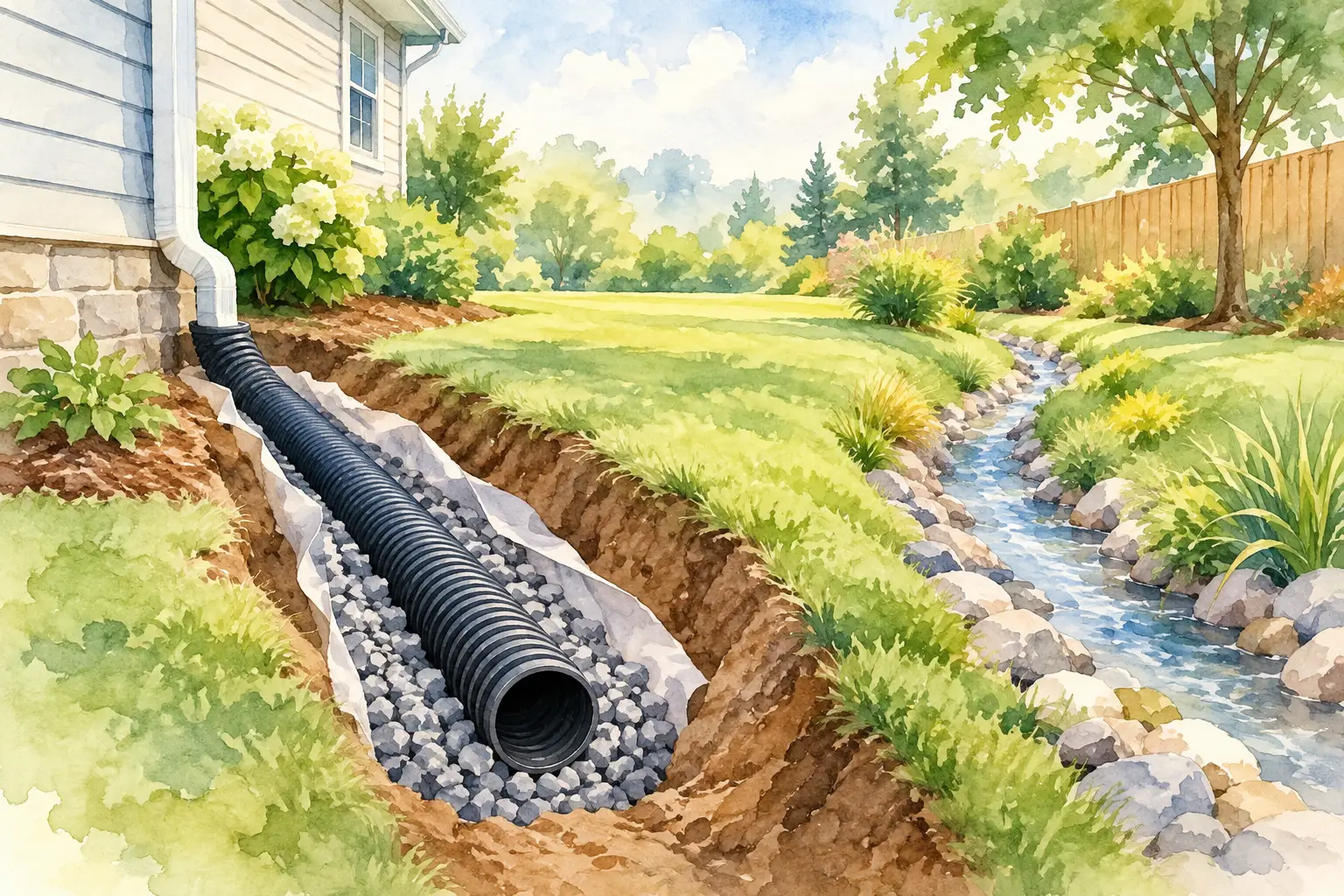
A gutter can look harmless from the ground, right up until water spills over the edge during a hard Mid-Ohio Valley rain. If you need help cleaning gutters, the goal is not just to make the roofline look better. It is to keep water moving away from your siding, foundation, landscaping, and walkways before a small clog turns into an expensive repair.

For many homeowners, gutter cleaning is one of those jobs that keeps getting pushed to next weekend. Ladders feel unsteady, the roof is steep, leaves are packed into the downspouts, or there simply is not time between work, family, and everything else on the list. Asking for local help is a practical choice, especially when it means getting the job handled before the next storm.

Why clean gutters matter more than most people think

Gutters have a straightforward job: catch rainwater running off the roof and direct it safely through downspouts. When leaves, twigs, shingle grit, seed pods, or moss block that path, water finds another route. It may run over the gutter, soak the fascia board, splash against the foundation, or pool near an entryway.

Over time, that overflow can contribute to peeling paint, wood rot, wet basements, soil erosion, and icy patches in winter. A clogged gutter can also become heavy enough to pull away from the house. The exact risk depends on the home, its roofline, surrounding trees, drainage, and condition of the gutters, but regular attention is usually far less costly than waiting for visible damage.

This is particularly true for homes with mature trees nearby. Oak leaves, maple seeds, pine needles, and spring blossoms each create different kinds of clogs. Even a home without many trees can collect roof grit that settles in elbows and downspout openings.

Signs it is time to get help cleaning gutters

You do not need to climb a ladder to know the gutters need attention. Watch the house during or shortly after rain. Water pouring over the sides is the clearest sign, but it is not the only one.

Look for plants growing from the gutter, dark streaks on siding, sagging sections, standing water near the foundation, or downspouts that barely release water. You may also see leaves piled along the roof edge or hear dripping in places where water should be flowing through a downspout.

A seasonal schedule helps prevent those problems. Many homes benefit from a cleaning in late fall after most leaves have dropped and another in spring after winter debris and early blooms. Homes under heavy tree cover may need more frequent service. A quick check after a major windstorm is also wise, especially if branches or seed pods are scattered across the yard.

When hiring help is the safer call

Some homeowners are comfortable cleaning a single-story gutter on a dry, level property with the right ladder and another person nearby. But there is a difference between being able to do a task and needing to do it yourself.

It makes sense to hire help when the home has two stories, uneven ground, a steep roof, tall gutters, heavy debris, or a history of drainage trouble. The same is true when mobility, balance, time, or comfort on a ladder is a concern. No weekend chore is worth a fall.

Professional-grade equipment can make a difference, but it is not always necessary for an ordinary cleanup. What matters is that the person doing the work can safely reach the gutters, clear debris without damaging them, and confirm that water can travel through the downspouts. If there are loose gutters, damaged fascia, electrical lines nearby, or suspected roof damage, the work may call for a more specialized contractor rather than a basic cleaning job.

What a good gutter-cleaning job should include

Clear details prevent surprises for both the homeowner and the worker. A standard gutter-cleaning request usually means removing loose debris from accessible gutters, clearing reachable downspout openings, bagging or gathering the debris, and checking for obvious overflow points.

Before work begins, agree on what is included. Ask whether the downspouts will be tested with water, where debris will be placed, and whether the job covers attached garage gutters, porch gutters, or only the main roofline. If you want the outside of the gutters washed to remove visible staining, say so. Exterior brightening is a separate task from clearing clogs and may take additional time.

It also helps to mention anything unusual before the worker arrives. Let them know about locked gates, dogs in the yard, soft ground, overhead wires, damaged gutter sections, or difficult parking. A clear photo of the home and roofline can help a local worker understand the scope and bring the right ladder or tools.

Do not expect a cleaner to repair hidden roof issues or solve a buried drainage problem as part of a simple cleanup. Clearing the gutter may reveal that a downspout extension is missing, a section has come loose, or the slope is wrong. Those findings are useful because they give you a clearer next step.

How to post a gutter-cleaning job clearly

When you need help from a nearby worker, a specific job post leads to better responses than a short request like “clean gutters.” Include the home’s general size, number of stories, whether trees are close to the roof, and whether you have noticed overflow or a blocked downspout. Add when you would like the work done and the price range you have in mind.

On Lawns, you can post the job, connect with nearby independent workers, discuss the details in app chat, and settle payment after you are satisfied with the completed work. That keeps the conversation, expectations, and transaction in one place while giving local residents a chance to earn from practical skills close to home.

Review worker profiles and feedback, then use the chat to confirm the scope before accepting an offer. A lower price may be a good fit for a small, single-story home with light debris. For a taller home, heavy buildup, or a job requiring extra equipment, a higher quote may reflect the time and safety considerations involved. The best choice is not automatically the cheapest one. It is the worker whose plan matches the job you need done.

Prepare the property without getting in the way

A few simple steps can make the appointment smoother. Move vehicles away from the work area if possible, unlock gates, and keep children and pets indoors or clear of ladders. If there is a preferred place for yard debris, point it out before the work starts.

You do not need to provide tools or climb up to inspect the gutters alongside the worker. Instead, stay available for questions and let the person doing the job focus on safe footing and the work overhead. Once the cleaning is complete, ask for a quick update on what was found. You may learn that the gutters were simply full of leaves, or that one area needs repair or closer monitoring.

Keep water moving between cleanings

Gutter cleaning is not a one-time fix for every drainage issue. After the work is done, take a look during the next rain. Water should enter the gutter instead of running behind it, travel through the downspout, and discharge away from the foundation.

Keep the ground near downspouts clear, make sure extensions are pointed away from the house, and trim back branches that repeatedly scrape the roof or drop large amounts of debris. Gutter guards can reduce the amount of material that enters some systems, but they are not maintenance-free. Fine needles, seeds, and roof grit can still collect on top of or beneath guards, and some installations make cleaning more complicated. Whether they are worth it depends on the trees around your home and the style of gutter system you have.

A clean gutter is a small piece of home care, but it protects a lot. Getting dependable local help before the leaves pile up or the next hard rain arrives gives you one less risky chore to worry about and helps keep your home ready for whatever the season brings.

Seasonal Yard Cleanup Services for Better Yards

A yard can change fast between seasons. One windy week can cover a porch, driveway, and flower beds with leaves. A wet spring can reveal broken branches, washed-out mulch, and weeds that seemed to appear overnight. Seasonal yard cleanup services give homeowners and renters a practical way to reset those outdoor spaces without spending every free Saturday hauling bags or fighting with equipment.

For many Mid-Ohio Valley households, cleanup is not about having a picture-perfect lawn. It is about keeping walkways clear, helping the property drain properly, reducing slippery debris, and making the home feel cared for. Whether you are preparing for guests, catching up after a busy stretch, helping an older family member, or getting a rental ready for the next tenant, the right local help can make the job feel manageable.

What Seasonal Yard Cleanup Usually Includes

Yard cleanup is flexible because every property has a different starting point. A small in-town lot may need leaf raking, bed edging, and a quick haul-away. A larger property may need downed limbs gathered, brush moved, weeds cleared, and debris taken to the curb or removed altogether.

A typical cleanup may include leaf and stick removal, garden bed cleanup, light weeding, branch pickup, grass trimming around edges, and bagging or hauling yard waste. Some residents also ask for help moving patio furniture, clearing around outdoor units, spreading mulch, or tidying the area before a mowing schedule begins.

The key is to be clear about the result you want. “Clean up the yard” can mean very different things to different people. Describe which areas matter most, such as the front walk, back patio, fence line, gutters’ runoff areas, or flower beds. If you need debris hauled away, say so upfront. A worker can then respond with a price and plan that fit the actual work instead of guessing from a broad request.

Spring Cleanup: Start Fresh Without Falling Behind

Spring cleanup often has the longest to-do list. Winter leaves behind sticks, fallen limbs, salt residue near sidewalks, dead plant material, and soggy patches where drainage needs attention. Clearing debris early helps grass get sunlight and airflow, while cleaning beds before new growth makes gardening easier later.

Spring is also a good time to notice small issues before they become bigger ones. Low branches near a driveway, clogged drainage paths, loose fence debris, or neglected corners can make mowing and routine maintenance more difficult. Cleanup workers can handle the labor-intensive part, leaving you free to decide what you want to plant, repair, or improve.

Timing depends on the weather. Starting too early can mean another round of fallen branches after a late storm. Waiting too long can leave wet leaves packed against grass and flower beds. For most homes, a first cleanup after winter weather settles, followed by a lighter touch-up later in spring, is often more realistic than expecting one visit to solve everything.

Summer Cleanup Keeps Outdoor Areas Usable

Summer yard cleanup is usually less dramatic, but it can make a real difference for busy families and anyone who enjoys being outside. Fast-growing weeds, clippings along sidewalks, fallen storm branches, and overgrown edges can make a property look neglected even when the lawn is being mowed.

A midseason cleanup works especially well before a cookout, graduation party, family visit, or neighborhood gathering. It can also help renters keep a shared outdoor space in good shape without buying tools they may only use once or twice.

If the work involves heavy brush, large limbs, or a steep area, ask about equipment and experience before accepting a response. Light yard cleanup and major land clearing are not the same job. Matching the scope to the right local worker helps protect your property, your budget, and everyone’s safety.

Fall Yard Cleanup Is About More Than Leaves

Fall brings the obvious task: leaves. But leaf cleanup is not just cosmetic. Thick, wet layers can smother grass, hold moisture against hard surfaces, block drains, and create slick spots on steps and sidewalks. Leaves piled near foundations and window wells can also make it harder to spot drainage problems.

A fall cleanup can include repeated leaf removal rather than a single visit. That approach often makes more sense when mature trees keep dropping leaves for several weeks. You may prefer one thorough cleanup after most leaves have fallen, or lighter visits throughout the season so the yard stays usable.

Before winter arrives, it also helps to remove loose branches, clear access to outdoor faucets, tidy garden beds, and move debris away from walkways. A little preparation now can make snow removal easier later, especially when workers need a clear path to steps, driveways, and sidewalks.

How to Post a Better Yard Cleanup Job

The best job posts save time for everyone. A few useful details help nearby workers understand the work before they respond and make it easier to compare offers fairly.

Include the property location, the preferred date or timing, and a straightforward description of the job. Photos are especially helpful for leaf coverage, brush piles, garden beds, and areas with limited access. Mention whether you have bags, a rake, a wheelbarrow, or a place for debris to go, but do not worry if you do not. Just state what is available.

It also helps to explain your priorities. If your budget is limited, say whether clearing the front yard and walkway matters more than finishing every bed. If you need the backyard ready for pets or children, make that clear. Good cleanup work is not always about doing the most tasks. It is about doing the right tasks first.

With Lawns, residents can post the job, choose their preferred price, and connect with nearby independent workers through in-app chat. That gives you room to discuss the details directly, agree on timing, and use secure in-app payment after the work is completed to your satisfaction.

Set Clear Expectations Before Work Begins

A quick conversation can prevent the most common cleanup misunderstandings. Confirm what will be gathered, where debris will be placed, and whether hauling is included. Ask whether the worker plans to bag leaves, mulch them, place them at the curb, or take them away.

Be equally clear about what should stay. Decorative stones, compost piles, planted bulbs, children’s toys, and outdoor pet areas can be easy to miss in a cluttered yard. If there are gates, pets, parking limits, or soft ground after rain, share that information before the scheduled time.

Price can vary based on the size of the yard, amount of debris, hauling needs, terrain, and how soon the work is needed. A simple leaf rake-up may be a small job. A property with several brush piles and no place for disposal may require more time, labor, and equipment. Transparent details make a fair price easier to reach.

A Cleaner Yard Supports the Whole Neighborhood

Seasonal cleanup has a quiet community benefit. Clear sidewalks are easier for neighbors, delivery drivers, visitors, and children walking nearby. Well-kept properties can reduce litter from blowing debris and help a block feel welcoming without asking every resident to handle every task alone.

Hiring local workers matters, too. It turns practical skills into flexible income for people in the same area who know the roads, weather, and seasonal demands of the Mid-Ohio Valley. Instead of spending hours trying to track down a service provider through scattered recommendations, residents can put a real job in front of nearby people ready to work.

When the next pile of leaves appears or a storm leaves branches across the yard, you do not have to let the work sit there until it becomes overwhelming. A clear job post and a capable neighbor can turn an all-day chore into a yard you are glad to come home to.

Brush Hogging Services Near Me: Hire Local Help

A field can go from manageable to waist-high faster than most property owners expect. When vines, thick grass, weeds, and light brush start taking over, searching for brush hogging services near me is often the quickest way to make the property usable again without buying equipment you may use only once or twice a year.

Brush hogging is practical work, but it is not a one-size-fits-all job. The right worker, equipment, timing, and plan depend on your acreage, terrain, vegetation, and goals for the land. Whether you have a neglected lot in Parkersburg, an overgrown fence line, a rental property that needs attention, or a few open acres outside town, a little preparation helps you get safer, clearer results.

What Brush Hogging Is Good For

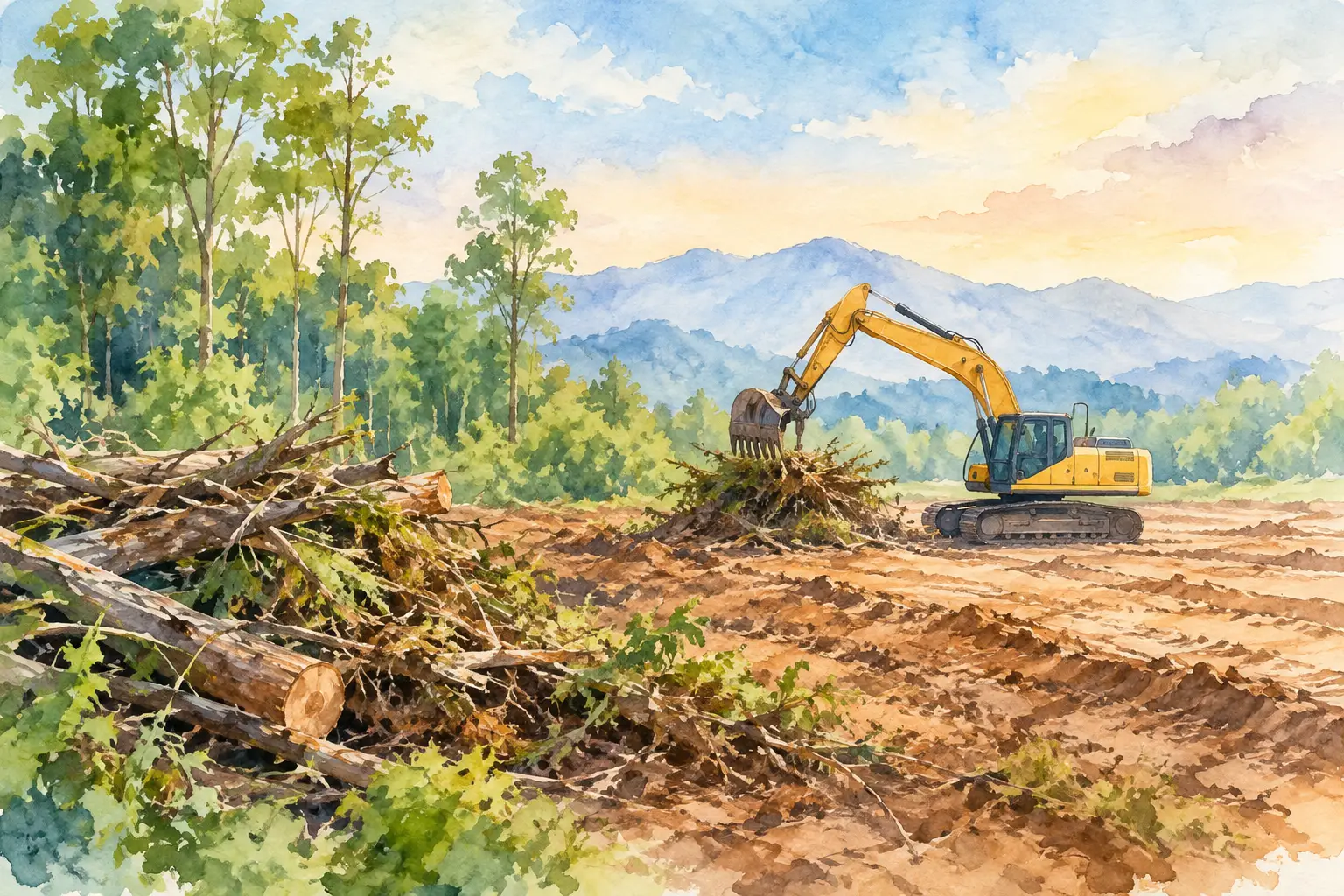
A brush hog is a heavy-duty rotary mower, commonly pulled behind a tractor. It is designed for growth that would stop or damage a typical lawn mower: tall grass, field weeds, goldenrod, small saplings, briars, and scattered brush. The result is a cut, more open property, not a polished lawn.

That distinction matters. Brush hogging is a strong choice when you need to reclaim an area, reduce hiding spots for pests, create access for a survey or fence repair, maintain an empty lot, or keep a field from becoming a thicket. It can also make a property look cared for while you decide on a longer-term landscaping plan.

It is usually not the best tool for a finish-ready yard, thick mature trees, stumps, large rocks, construction debris, or vegetation growing tightly around delicate structures. A mower crew may be better for maintained grass, while tree removal or forestry equipment may be needed for larger woody growth. A good local worker will be straightforward about where brush hogging ends and another kind of work begins.

How to Find Brush Hogging Services Near Me

A nearby provider is useful for more than convenience. Local workers understand the steep grades, wet ground, narrow driveways, and seasonal growth common around the Mid-Ohio Valley. They are also more likely to have realistic availability for a one-time clearing job or recurring field maintenance.

Start by describing the work clearly instead of simply asking for a price. A post that says, “Need a field mowed,” leaves too much to guess. Say where the property is, approximately how much area needs cut, how tall or dense the growth is, whether the terrain is level or sloped, and when you would like the work done. Photos and a short video can prevent surprises, especially when brush is hiding the ground.

With Lawns, residents can post the job, set a preferred price, and connect directly with nearby independent workers through in-app chat. That gives you room to ask practical questions, compare responses, arrange timing, and make sure the worker understands the property before anyone heads out with a tractor.

The lowest quote is not always the best value. A worker with the right machine and a clear plan may charge more than someone treating the job like ordinary mowing. In return, you may avoid a half-finished field, damaged equipment, or a rescheduled job after the worker sees how thick the brush really is.

Questions worth asking before you book

Ask what equipment the worker plans to use and whether it is suited to your property. A compact tractor may be ideal for a small, open lot, while a larger tractor or skid steer may be needed for dense brush or more acreage. If your access road is narrow, wet, or crossed by a small bridge, mention that early.

You should also ask whether the quote includes travel, loading and unloading, cutting around obstacles, and a return visit if the job requires more than one pass. Confirm what will happen with clippings and knocked-down brush. In many field jobs, material is left where it falls. That is normal, but it is better to agree on it beforehand than expect removal that was never included.

Finally, talk about the finish you want. Do you need the area cut once so you can walk it? Are you preparing for a fence, garden, or sale? Or do you want recurring cuts to keep regrowth under control? Your answer affects the equipment, schedule, and price.

What Affects Brush Hogging Cost

Brush hogging is commonly priced by the hour, by acreage, or as a flat job rate. The right approach depends on how predictable the work is. A smooth, open field can be estimated by acreage with confidence. A wooded-edge lot full of hidden obstacles is often better priced by time because it requires slower, more careful work.

The biggest cost factor is density. Tall grass is faster to cut than thick briars mixed with volunteer trees. Terrain matters too. A flat, dry field is easier and safer than a hillside, creek bank, or muddy low spot. Access can make a major difference: a worker who can pull in, unload, and begin cutting has a simpler job than one who must navigate gates, parked vehicles, or a long rough lane.

Hidden hazards are another reason estimates can change. Tires, wire, old fencing, cinder blocks, metal posts, and large rocks can damage a brush hog or become dangerous projectiles. If you know there is debris on the property, say so. Honest details help a worker price fairly and plan safely.

For a first-time clearing, expect the work to take longer than future maintenance cuts. Once an area has been opened up, cutting it once or twice a season is usually quicker and easier. That is why regular maintenance can be a better long-term choice for vacant lots, field edges, and acreage near homes.

Prepare the Property Before the Worker Arrives

A few minutes of preparation can save real time on the job. Walk the area if it is safe to do so and point out hazards that could be concealed by growth. Mark utility boxes, septic lids, drain fields, irrigation heads, boundary markers, young trees you want saved, and any object the worker needs to avoid.

Move vehicles, trailers, lawn furniture, toys, and loose materials out of the work zone. Secure pets indoors or well away from the area. Brush hogging throws debris, makes significant noise, and requires room to maneuver. Keep children and visitors away until the equipment is shut down and the worker says the area is safe.

If access involves a locked gate, provide a plan for entry. If you will not be home, communicate where to park, which sections to cut, and which areas are off limits. A simple map or labeled photos can be especially helpful on a larger property.

Do not try to clear unknown debris with a weed trimmer or by hand just to make the property look better before an estimate. If the growth is heavy, you could encounter sharp metal, snakes, uneven ground, or holes. Let the worker know what you can see and let them assess the rest safely.

Timing Matters More Than People Think

The best time to brush hog depends on what is growing and why you are cutting it. A midseason cut can keep a field accessible and reduce the spread of tall weeds before they go to seed. A late-season cut may help tidy a property before winter and make spring work easier.

Wet conditions can change everything. Heavy equipment on saturated ground can leave ruts, compact soil, or get stuck. On steep slopes, wet grass also creates a safety concern. It may be frustrating to postpone a job after rain, but a responsible worker will wait when conditions make the work unsafe or likely to damage the land.

If you are trying to control invasive plants or protect a specific habitat, timing gets more specific. Cutting at the wrong point in a plant’s growth cycle can encourage regrowth, and mowing during nesting periods may not be appropriate in some areas. Tell the worker your goal so you can decide whether immediate cutting or a planned schedule makes more sense.

Know What Good Work Looks Like

A successful brush hogging job leaves the agreed area visibly cut, accessible, and free of obvious uncut strips where equipment could reasonably reach. It does not mean every stem disappears or that the ground looks like a freshly mowed lawn. Coarse clippings, short stalks, and uneven-looking terrain are normal after clearing heavy growth.

Before payment, take a walk around the area from a safe distance or review photos if you could not be present. Confirm that the worker completed the sections you discussed, avoided marked features, and left access points as agreed. If something needs attention, raise it promptly and respectfully. Clear communication is how local jobs stay fair for both the homeowner and the person doing the work.

A freshly brush-hogged property creates breathing room. It gives you a safer view of what is on the land, makes the next project easier to plan, and helps your home or lot feel looked after. When you hire a capable neighbor for the job, you are not just clearing brush – you are keeping useful work and local dollars close to home.

How to Post a Yard Work Job and Get It Done

A yard can get away from you fast. One week of rain can turn mowing into a bigger job, a windy afternoon can fill the driveway with branches, and a busy family schedule can leave mulch, weeds, and cleanup waiting until the weekend that never opens up.

When you post a yard work job, a little detail upfront can make the whole experience easier. The right post helps nearby workers understand what you need, decide whether they have the tools and time, and give you a response that fits the job. It also helps you avoid the back-and-forth that comes from vague requests like “need yard help.”

Whether you need recurring lawn care or one strong set of hands for a seasonal cleanup, here is how to write a job post that gets your property cared for and keeps the work local.

Start With the Work That Needs Doing

Your job title should tell a worker the main task at a glance. “Mow and trim a small city yard” is more useful than “yard work needed.” “Haul brush after storm cleanup” gives a clearer picture than “help outside.”

Then use the description to explain what success looks like. If the grass needs mowing, mention whether trimming along sidewalks, fences, and landscaping beds is included. If you need leaf removal, say whether leaves should be bagged, moved to the curb, or hauled away. For a cleanup, describe the areas that need attention: front beds, backyard, driveway edges, a fence line, or around a shed.

You do not need contractor language. Plain, honest details are enough. A good description might say: “My backyard grass is about knee-high in spots after two weeks of rain. I need it mowed and trimmed around the fence and patio. The gate opening is about four feet wide, and grass clippings can stay on the property.” That tells a local worker far more than a photo-free one-line request.

Add Photos and the Details Workers Cannot See

Photos are one of the most helpful parts of a yard work post. Take a few in daylight from different angles, especially when the job involves overgrowth, branches, uneven ground, steep areas, or a large amount of debris. A wide photo shows the size of the space. A close photo shows the condition of the grass, weeds, leaves, or brush.

Mention access, too. Can a mower get through the gate? Is there a locked fence, a dog in the yard, a parked vehicle to work around, or a hill that makes the job harder? Does the worker need to bring a trailer, bags, or a brush hog? These details are not small. They affect the tools, time, and price a worker will need to plan for.

If you are posting from a rental property, be clear about what you are authorized to have done. If the job is for an older family member, explain who will be available to answer questions. Clear expectations are a kindness on both sides.

Separate Routine Care From a Cleanup Job

A weekly mowing job and a one-time yard rescue should not be posted the same way. Routine work is usually easier to price because the condition stays fairly consistent. State how often you need service and whether you want the same worker when possible.

A cleanup may involve surprises: hidden branches, thick weeds, old landscaping material, heavy wet leaves, or debris that requires hauling. If the amount is uncertain, say so. Ask workers to review the photos and message you with questions before agreeing on the final scope. It is better to set expectations early than to discover halfway through that the work is much larger than either person expected.

Choose Timing That Is Specific but Flexible

“ASAP” can be useful after a storm or before a property inspection, but it does not tell workers much about your actual availability. Give a preferred day, a time window, or a deadline. For example, you might say you would like the job done by Friday afternoon, but someone can work while you are away if they message when they arrive and finish.

Flexibility can bring more responses, especially during the spring rush, after heavy rain, or in the fall when leaf jobs stack up quickly. At the same time, be upfront if timing truly matters. Maybe you are hosting family, preparing a home for sale, or trying to clear a sidewalk before guests arrive. A worker can only decide whether to take the job when they know the real deadline.

Weather is part of yard work in the Mid-Ohio Valley. A good post leaves room for common sense. If rain delays mowing, state whether the worker can reschedule for the next dry day or whether you would prefer to coordinate first.

Set a Fair Preferred Price

Your preferred price gives workers a starting point, not a reason to guess what you mean. Think about the size of the property, how overgrown it is, whether special equipment is needed, and whether disposal or hauling is part of the work. A quick mow on a flat, open lot is different from a cleanup that requires loading wet limbs into a trailer.

If you are unsure what the job should cost, it is reasonable to post a budget range and invite workers to explain their quote. The lowest response is not always the best fit. Consider the worker’s reviews, their questions about the job, the equipment they plan to use, and whether their proposed plan actually covers what you asked for.

A fair price respects the worker’s travel, tools, fuel, physical effort, and time. It also helps attract people who can complete the job properly rather than rushing through it. Local work is most useful when both neighbors feel the arrangement is worthwhile.

Use Messages to Confirm the Scope Before Work Begins

Once workers respond, take a few minutes to chat through the details. Confirm what is included, when the work will happen, whether you need to be home, and what will happen to clippings, branches, or bags. If a worker spots an issue from the photos, such as a fallen limb that needs separate hauling, agree on any change before work begins.

This is also the moment to share practical information without oversharing. Let the worker know where to park, which gate to use, and how to reach you during the job. You can mention pets, children’s play equipment, sprinklers, or outdoor outlets if they affect the work.

With Lawns, customers can post the job, talk through details with nearby independent workers in app chat, and arrange the schedule around real life. That direct conversation keeps a simple task simple while giving both sides a record of what was agreed upon.

Check the Finished Work and Pay With Confidence

When the job is complete, take a look before marking it finished. Check the areas you included in the post: lawn edges, gates, beds, walkways, brush piles, or leaf bags. Most jobs go smoothly when the instructions were clear, but if something was missed, message the worker promptly and explain what needs attention.

A respectful question is usually more productive than an assumption. There may be a reason a portion was left untouched, such as unsafe footing, a hidden utility marker, or an item that was not part of the original scope. If the work meets the agreed plan, complete payment through the app and leave an honest review. Reviews help dependable local workers build their reputation, and they help the next neighbor hire with more confidence.

A Better Yard Starts With a Better Post

You do not have to spend your Saturday wrestling with a mower, hauling storm debris, or putting off the cleanup that has been bothering you for weeks. A clear yard work post turns a lingering chore into a specific local opportunity for someone ready to help.

Describe the job honestly, add useful photos, set realistic timing and a fair price, then communicate like neighbors. The result is more than a tidier lawn. It is practical help close to home, a chance for local workers to earn, and one less thing waiting on your weekend.

How to Find Trusted Local Workers Near You

A driveway covered in snow, a lawn that got away from you, a gutter overflowing before the next rain – these are not problems that should require a week of phone calls. When you need help close to home, the goal is simple: find trusted local workers who can do the job well, communicate clearly, and treat your property with respect.

For many Mid-Ohio Valley residents, the hard part is not knowing that help exists. It is figuring out who is available, what the job will cost, and whether the person coming to your home is dependable. A good local hiring process makes those questions easier to answer before work begins.

Start With a Clear, Honest Job Post

The fastest way to get the right response is to describe the work as if you were showing someone around your property. Instead of posting, “Need yard help,” say whether the grass needs mowing and trimming, whether branches need hauled away, how large the yard is, and when you would like it completed.

Details save time for everyone. A worker can tell whether they have the right equipment and enough time for the job. You get responses from people who understand the scope instead of guesses that lead to frustration later.

For a home task, include the location, preferred day or time window, and any access details that matter. If you need dog walking, mention the dog’s size, temperament, and usual routine. If you need power washing, say what surfaces need cleaned and whether there is outdoor water access. Photos can be especially useful for yard cleanup, brush hogging, junk removal, and projects where the amount of work is hard to describe in a sentence.

Price is worth addressing up front, too. Some jobs are best posted with a preferred price. Others may call for a conversation once a worker sees the photos or asks a few questions. Being open to a reasonable discussion is different from leaving the price entirely unclear. The right arrangement gives you control while allowing workers to account for time, travel, equipment, and disposal costs.

Where to Find Trusted Local Workers Without Guesswork

Neighborhood recommendations still have value. A friend who has hired someone for recurring mowing or snow removal can offer useful firsthand insight. But a personal referral may not tell you whether that person is available this week, serves your part of town, or handles the particular job in front of you.

A local marketplace gives you another path. Rather than calling several businesses and waiting for callbacks, you can post the work, hear from nearby independent workers, and compare the people who are interested. That is particularly helpful for everyday tasks that may not need a large contractor, such as cleaning, gardening, pet care, car detailing, window cleaning, hauling, or general odd jobs.

Trust should be built from more than a name and a phone number. Look for a platform that supports worker vetting, customer reviews, direct in-app communication, and secure payment. Those features create a record of the arrangement and reduce the pressure to hand over cash or share more personal information than necessary.

Lawns was built around that neighbor-to-neighbor need in the Mid-Ohio Valley. Customers can post local work, connect with nearby workers, discuss details in the app, and pay after the work is complete and they are satisfied. It keeps the process practical while helping more of the money spent on everyday services stay in the community.

Know What to Check Before You Hire

A strong profile and positive reviews are a good starting point, not a reason to skip the conversation. Read reviews for the qualities that matter to your job. For lawn mowing, look for comments about showing up on time, edging carefully, and leaving the property tidy. For cleaning, look for consistency, respect for the home, and attention to requested areas. For dog walking, reliability and comfort with animals matter more than a long list of unrelated jobs.

Then use chat to confirm the details. Ask whether the worker has the equipment needed, when they can arrive, and what is included in the quoted price. A good worker should be able to explain their plan in plain language. You should also be comfortable setting boundaries, such as areas that are off-limits, where to park, or whether you need a heads-up before they arrive.

For bigger or less predictable work, ask what could change the price. Hauling and yard cleanup are common examples. A quote may depend on the volume of debris, the distance to a disposal site, or whether heavy items need to be moved from a basement or backyard. That does not make the job risky. It simply means both sides should agree on how changes will be handled before the work starts.

A quick check for recurring jobs

Recurring help, such as weekly mowing, regular house cleaning, or scheduled pool maintenance, deserves a short trial period. Start with one visit if you can. You will learn more from a completed job than from any description: Was communication easy? Did the worker follow the agreed plan? Was the work done with care?

If it is a good fit, agree on a schedule that accounts for weather, holidays, and seasonal changes. Lawn growth slows down. Snow does not arrive on a convenient schedule. Clear expectations keep a recurring arrangement from becoming a recurring headache.

Keep Communication Simple and Specific

Most service problems begin with assumptions. The customer assumes a worker will take bags of leaves to the curb. The worker assumes the customer will provide salt for an icy walkway. Neither person says so, and a small detail turns into a disappointment.

Before the job begins, confirm the scope, timing, price, materials, and finish line. For example, does “yard cleanup” include hauling debris away? Does “snow removal” mean the sidewalk, steps, driveway, or all three? Does the worker need to bring a ladder for gutter cleaning? A few messages can prevent a lot of uncertainty.

Respect works both ways. Workers are often managing several nearby jobs, family responsibilities, and weather interruptions. Customers may have work schedules, children, pets, or mobility concerns that shape when a job can happen. Direct communication lets both sides make a plan that is realistic.

Use Secure Payment and a Clear Finish Line

Payment should feel straightforward, not awkward. A secure in-app payment process creates a record for the customer and the worker, while keeping payment tied to completed work and satisfaction. It also avoids the familiar scramble to find cash, write a check, or figure out whether a payment app request is legitimate.

Before confirming completion, walk around the property or check the work while it is fresh in your mind. If a gate was left unlatched, a corner was missed during cleaning, or a requested pile was not hauled away, raise the concern promptly and respectfully. Most issues are easier to resolve when everyone is still focused on the same job.

When the work meets expectations, leave an honest review. Specific feedback helps future customers make informed choices and helps good workers build a local reputation. A comment such as “arrived when promised, cleared the sidewalk, and salted the steps before the freeze” is more useful than a generic five-star rating.

Local Hiring Is More Than Checking Off a Chore

Choosing a nearby worker can mean a college student earning extra money, a skilled neighbor filling open hours between projects, or a hardworking resident building a flexible service business. The customer gets help with the home. The worker gets a fair chance to earn. The community keeps more opportunity close by.

That does not mean every job should go to the first person who responds. For specialized repairs, major tree work, electrical work, plumbing, or anything involving permits or safety risks, qualifications and proper licensing may be essential. Know when an everyday task calls for a local independent worker and when it calls for a dedicated professional.

The next time the to-do list starts crowding out your weekend, put the job into clear words, ask the practical questions, and choose someone whose communication gives you confidence. A well-kept home often starts with a neighbor who is ready to help.