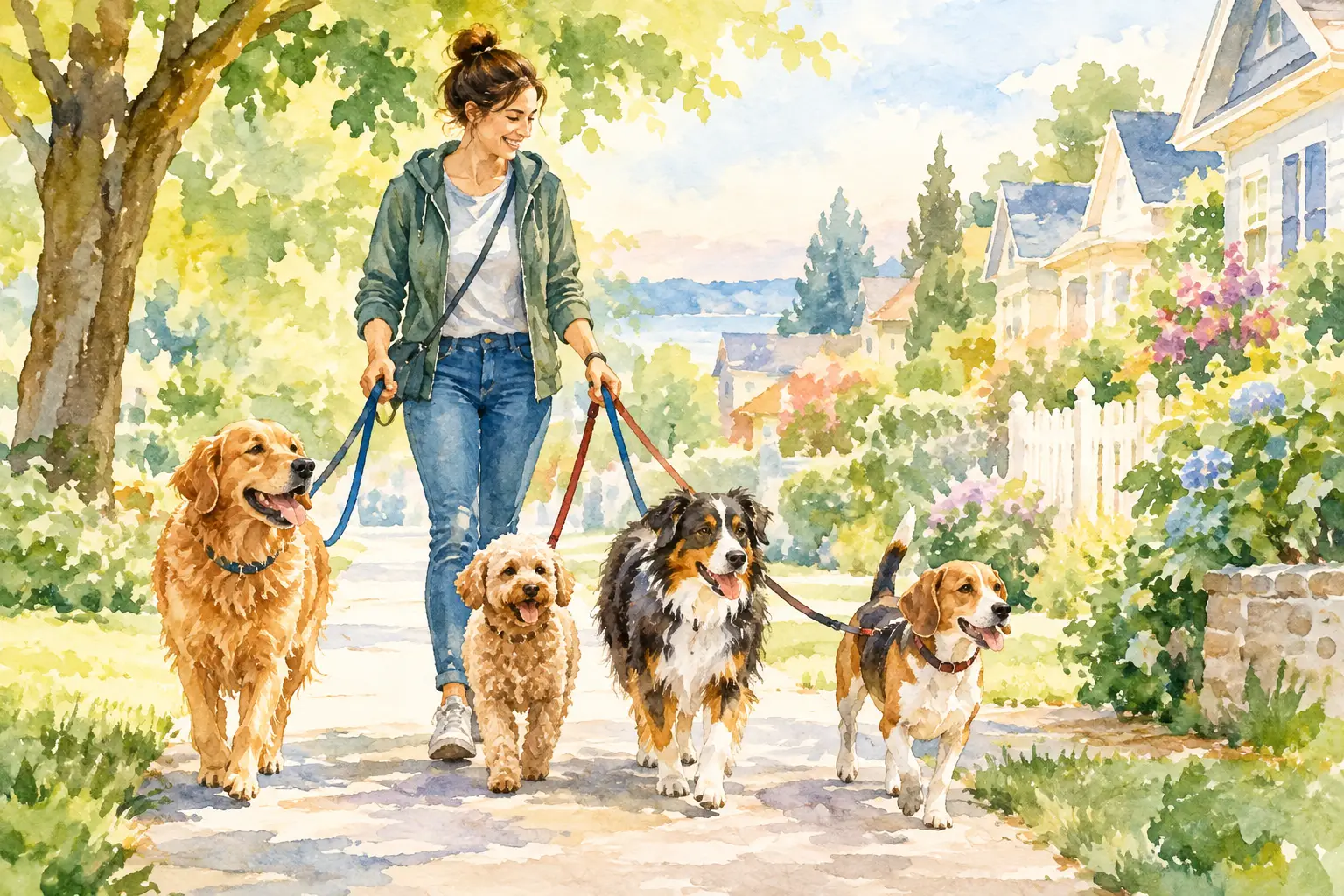
The hardest part of leaving your dog home during a long workday is often not the schedule. It is wondering whether someone else will notice the little things: the squirrel your dog chases, the sidewalk that makes them nervous, or the exact way they like their leash clipped on. Learning how to find a dog walker is really about finding a dependable person who respects your dog’s routine and gives you peace of mind while you are away.
A good walker can make a real difference for energetic puppies, senior dogs, busy families, and anyone whose days do not always follow a neat 9-to-5 plan. The right fit is not necessarily the person with the lowest price or the first person who replies. It is the local worker who is prepared, communicative, and comfortable caring for your particular dog.
Start With Your Dog’s Real Needs
Before you search, get specific about what the job involves. A 15-minute potty break for a calm older dog is different from a 45-minute walk for a young, strong dog with plenty of energy. The clearer you are from the beginning, the easier it will be for a walker to decide whether they are a good match.
Think through your preferred days and times, how long the walk should be, and whether your dog needs any special handling. Mention details such as pulling on the leash, reactivity around other dogs, medication needs, mobility limits, allergies, or whether your dog is still learning basic commands. These details are not something to apologize for. They help protect your dog and help the walker arrive prepared.
Also decide what success looks like. Maybe you need a regular midday walk while you are at work. Maybe you need help on a few especially busy days, during recovery from an injury, or when a family member is traveling. A one-time walk and an ongoing arrangement can call for different expectations around scheduling, access to your home, and backup plans.
How to Find a Dog Walker Locally
Local referrals can be valuable, especially when they come from neighbors with dogs similar to yours. Ask people you trust who they use and what the experience has been like over time. A recommendation is most useful when it includes practical details: Does the walker arrive when expected? Do they communicate if traffic or weather causes a delay? Does the dog seem relaxed and happy afterward?
Neighborhood-based marketplaces are another practical place to look because they let you describe the job, set your preferred timing, and connect with nearby independent workers. With Lawns, for example, you can post the details of a dog-walking job and talk directly with local workers about availability, pricing, and your dog’s needs before choosing someone.
Wherever you look, avoid hiring based on a name and a quick message alone. Dog walking involves access to your home, control of your pet outdoors, and responsibility for a living creature who may not behave the same way with a new person. Take enough time to make a thoughtful choice.
Look for Trust Signals, Not Just a Friendly Profile
A warm introduction matters, but reliability is built on evidence. Reviews, completed-job history, clear communication, and a willingness to answer questions all tell you more than a polished photo ever could. Read reviews for patterns rather than focusing on one glowing comment or one complaint. Consistent mentions of punctuality, care, and communication are encouraging signs.
Before confirming a walker, make sure you understand these four basics:
- Experience: Ask whether they have walked dogs of your dog’s size, age, and temperament. Experience with a small, easygoing dog does not automatically translate to handling a large dog that pulls or reacts to passing bikes.
- Safety habits: Find out whether they keep dogs leashed, how they handle encounters with other animals, and what they would do if a dog slipped a collar or showed signs of distress.
- Communication: Ask how they will let you know the walk is complete. A quick message with a photo, route update, or note about bathroom breaks can be reassuring, particularly during the first few visits.
- Reliability: Discuss cancellations, late arrivals, bad weather, and whether they can commit to the schedule you need. The best walker is not always available at every hour, but they should be honest about their availability.
A background check or platform verification can add another layer of reassurance, but it should not replace your own conversation and judgment. A responsible person will understand why you are asking careful questions.
Meet Before You Hand Over the Leash
A meet-and-greet is one of the best ways to see whether a potential walker is right for your dog. Arrange it at your home or another familiar, low-stress place if possible. Let the walker approach at your dog’s pace, and watch how they respond to your dog’s body language.
You are not looking for instant excitement. Some dogs need time to warm up, while others greet everyone like a long-lost friend. Instead, look for calm, patient behavior. Does the walker ask before giving treats? Do they listen when you explain a cue? Do they seem confident without being careless?
Use this meeting to show them where you keep the leash, waste bags, treats, towels, and water. Explain which doors should stay closed, whether your dog can be around other pets, and where they should be returned after the walk. If the walker will enter your home when you are away, talk plainly about keys, lockboxes, alarm instructions, and who to contact in an emergency.
Ask Questions That Reveal How They Work
You do not need to conduct a formal interview, but a few direct questions can prevent misunderstandings later. Ask how many dogs they walk at one time, whether your dog would be walked alone or with others, and how they decide which route to take. Group walks may offer social time for some dogs, but they can be a poor fit for dogs that are anxious, easily overstimulated, or still working on leash manners.
Ask what they do in heavy rain, extreme heat, icy conditions, or thunderstorms. In the Mid-Ohio Valley, weather can change quickly. A good plan may mean a shorter outdoor break plus indoor play on a stormy day, or an earlier walk when summer pavement is too hot for paws.
It is also wise to discuss emergencies. Give your veterinarian’s contact information, identify your preferred emergency clinic, and state whether the walker can approve urgent care if they cannot reach you. Leave feeding instructions and medication details in writing rather than relying on memory.
Start With a Trial Walk
Even a strong meet-and-greet cannot tell you everything. Begin with one trial walk before setting up a recurring schedule. Stay nearby if that makes you more comfortable, or ask the walker for a detailed update afterward. Pay attention to your dog when they return home. Are they comfortably tired, relaxed, and acting normally? A little excitement is expected, but signs of extreme stress, limping, unusual fear, or worsening behavior deserve a closer conversation.
The first visit is also your chance to assess the small practical details. Did the walker arrive on time? Did they follow the instructions you shared? Did they communicate clearly? If something did not go as planned, did they tell you promptly and explain what happened? Trust grows through these ordinary moments.
Be Clear About Price and Expectations
Dog-walking prices can vary based on walk length, the number of dogs, travel distance, recurring frequency, special handling, and local demand. A lower rate may work well for a straightforward neighborhood walk, while a dog that needs solo handling, extra time, or medication may reasonably cost more. The goal is not to find the cheapest option. It is to agree on a fair price for the care your dog actually needs.
Confirm whether the price covers one dog or multiple pets, what happens if a walk runs longer than planned, and how cancellations are handled. Keep the arrangement simple and documented. Clear expectations protect both the pet owner and the local worker.
Give a Good Walker the Information They Need
Once you find someone who treats your dog well, help them succeed. Keep supplies stocked, update them on changes in your dog’s health or routine, and let them know if someone else will be home. If your dog has had a rough night, is recovering from a vet visit, or is suddenly nervous around a construction site down the street, a quick message can make the walk safer.
A dependable dog walker gives your pet exercise, attention, and consistency. Just as importantly, they give you back a little breathing room in a busy week. Choose carefully, communicate openly, and you may find not only help for your dog, but a trusted neighbor who makes everyday life easier.

