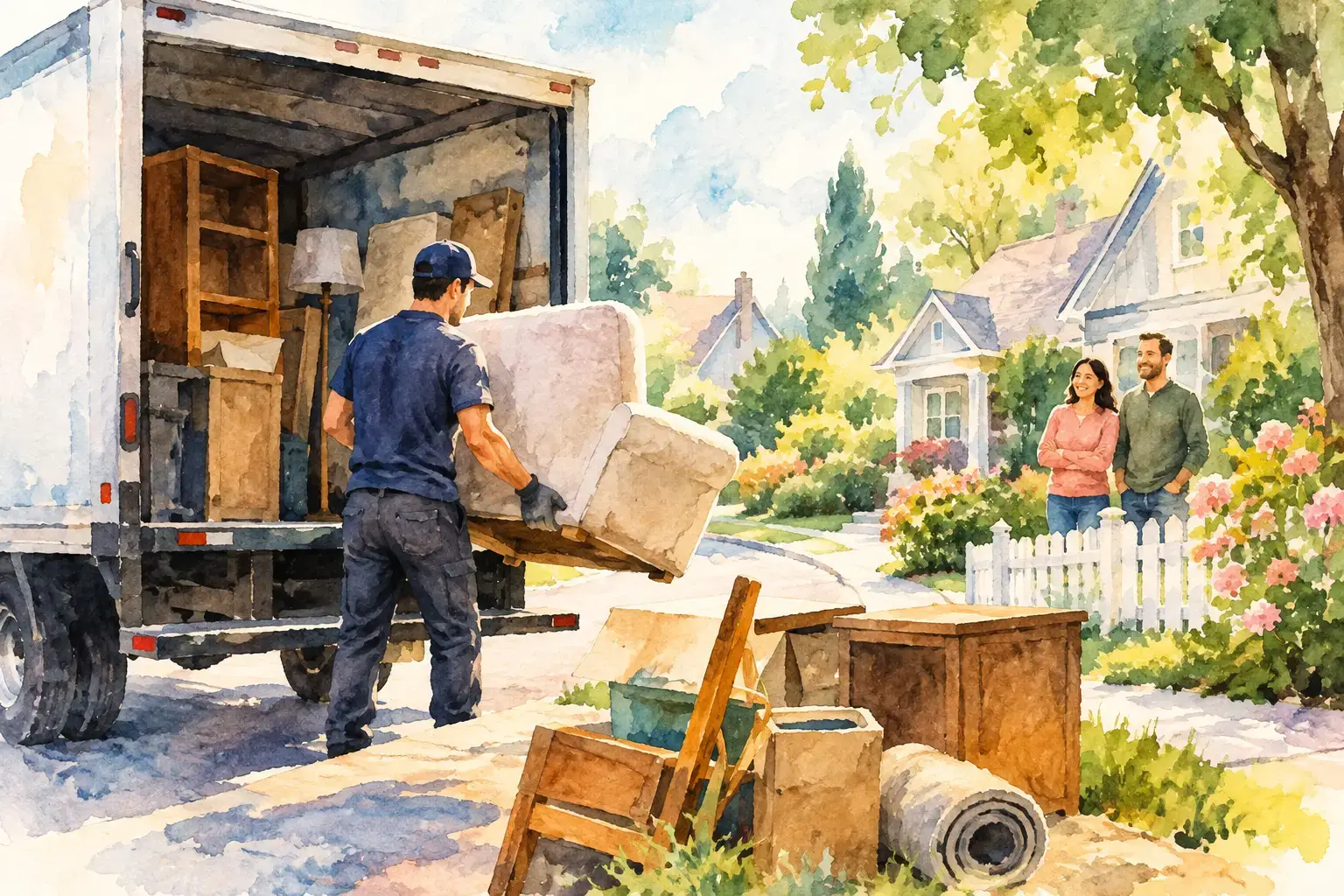
That old recliner in the basement, the boxes left after a move, and the brush pile growing by the garage all have one thing in common: they take up more than space. They can make a home feel harder to manage, create safety concerns, and turn a simple weekend project into a bigger job than expected. Junk removal gives Mid-Ohio Valley residents a practical way to clear the clutter without borrowing a truck, straining their backs, or making multiple disposal runs.
For many households, the challenge is not deciding that something needs to go. It is figuring out what can be hauled away, what requires special disposal, how much help is needed, and who can do the work reliably. A little preparation makes the process faster, safer, and easier to price fairly.
When junk removal makes sense
Junk tends to build up slowly. A few extra storage bins become a crowded attic. A home improvement project leaves behind carpet, drywall, lumber, or old fixtures. A garage becomes the holding place for broken appliances, unused furniture, and items no one has had time to sort.
Hiring help can make sense when the load is too large for a regular trash pickup, when you do not have a suitable vehicle, or when lifting and carrying could be unsafe. It can also be a good choice after a move, estate cleanout, renovation, tenant turnover, or major yard cleanup. The goal is not simply to make things disappear. It is to get your usable space back and leave the property cleaner and safer.
There is a trade-off, of course. If you only have a few small bags or boxes, handling them yourself may be the least expensive option. But when a job involves bulky items, stairs, long drives, or several hours of loading, local help may save enough time and effort to be well worth it.
Start by sorting the pile
Before posting a junk removal job, take a quick look at what you have. You do not need to organize every item perfectly, but separating what is clearly trash from what could be donated, recycled, or kept helps everyone make better decisions.
Furniture, household goods, bagged trash, cardboard, scrap wood, and many nonhazardous renovation leftovers are common hauling requests. Yard debris such as branches, leaves, brush, and small logs may also be part of the job, especially after storm cleanup or seasonal yard work.
Some items need a different plan. Paint, fuel, chemicals, batteries, propane tanks, tires, electronics, and certain appliances may have local disposal rules. Refrigerators, freezers, air conditioners, and dehumidifiers can require special handling because of refrigerants. If you are unsure about an item, say so upfront. A good job description gives a worker the chance to confirm whether they can haul it and where it should go.
If an item is still in decent condition, consider whether it could be donated or passed along before adding it to the pile. Keeping useful items in circulation is good for the community, and it may reduce the amount that needs to be hauled away.
Make the job easy to understand
The clearest job posts get better responses. Instead of writing “need junk gone,” describe the pile in everyday terms: “one sofa, two end tables, six bags of household items, and a small dresser.” Include where the items are located, such as curbside, garage, basement, second floor, or backyard.
Photos are especially useful when possible. They help a worker estimate the truck space, labor, equipment, and disposal needs before arriving. They also reduce surprises for both sides. A pile that looks small from the driveway may include heavy concrete blocks, wet lumber, or a difficult set of stairs.
Mention access details early. Is there a gate? Is parking close to the house? Are there steep steps, a narrow hallway, loose ground, or a long walk from the shed? These details are not complaints. They are the practical information that helps a local worker show up prepared.
Set a realistic timeline
Junk removal is often needed quickly, but “as soon as possible” can mean different things. If you need an item out before a move, inspection, family visit, or trash deadline, say that. If your schedule is flexible, say that too. Flexibility can give nearby workers more room to fit the job around existing commitments.
It also helps to have the pile ready before the agreed time. Consolidating items where it is safe to do so can reduce loading time. Do not move heavy or awkward items just to make the job easier, though. It is better to explain where they are than risk an injury.
Price the work fairly
Junk removal pricing depends on more than the number of items. Volume, weight, labor, distance, disposal fees, stairs, and special handling all affect the cost. A loveseat at the curb is a different job from the same loveseat in a finished basement with a tight staircase.
When you post a job, share your preferred price along with enough detail for workers to respond honestly. Be open to a conversation if the scope turns out to be larger than expected. A fair price recognizes the time spent loading, hauling, unloading, and paying disposal fees, while still giving you control over what you are comfortable spending.
This is where direct communication matters. Ask whether the quoted amount includes hauling and disposal. Confirm whether the worker expects payment by item, by load, by hour, or as a single agreed job price. Make sure everyone understands what is included before work begins.
Choose local help with confidence
Asking for help should not mean guessing who will arrive at your home. Look for clear communication, relevant reviews, and a worker who asks sensible questions about the job. Someone who wants to know about photos, stairs, heavy items, or disposal requirements is usually trying to avoid surprises and do the work properly.
Lawns makes that neighbor-to-neighbor process simpler for Mid-Ohio Valley residents. You can post the job, connect with nearby independent workers, discuss the details through in-app chat, and pay securely after the work is completed to your satisfaction. It keeps the process straightforward while giving local people an opportunity to earn from practical skills close to home.
A good working relationship starts with respect on both sides. Be accurate about the job, keep pets and children away from the work area when possible, and make clear decisions about what stays and what goes. In return, you should expect care for your property, reasonable communication, and a job completed as agreed.
Keep safety ahead of speed
Clearing clutter can feel urgent, especially after a storm, move, or unexpected cleanup. Still, rushing is how injuries and property damage happen. Heavy furniture can shift, glass can hide in bags, and old sheds or piles of lumber may contain nails and sharp edges.
Let the person doing the hauling know about anything unusual before they start. If an item is extremely heavy, unstable, moldy, wet, or potentially hazardous, do not assume it is an ordinary pickup. The right answer may be extra labor, different equipment, or a specialized disposal service.
After the load is gone, take a moment to sweep the area and look for loose nails, broken glass, or debris. That final five-minute check can make a driveway, garage, or yard safer for everyone who uses it next.
A cleaner space can change the whole weekend
Junk removal is rarely just about a truckload of unwanted stuff. It can mean finally parking in the garage, making room for a child’s bedroom, preparing a property for its next chapter, or getting the yard back after a long winter. Small improvements like these add up across homes and neighborhoods.
Start with one pile, one room, or one corner that has been weighing on you. Clear it with a plan, hire nearby help when the job calls for it, and enjoy the breathing room that comes after.

