Brush Hogging Services Near Me: Hire Local Help

A field can go from manageable to waist-high faster than most property owners expect. When vines, thick grass, weeds, and light brush start taking over, searching for brush hogging services near me is often the quickest way to make the property usable again without buying equipment you may use only once or twice a year.

Brush hogging is practical work, but it is not a one-size-fits-all job. The right worker, equipment, timing, and plan depend on your acreage, terrain, vegetation, and goals for the land. Whether you have a neglected lot in Parkersburg, an overgrown fence line, a rental property that needs attention, or a few open acres outside town, a little preparation helps you get safer, clearer results.

What Brush Hogging Is Good For

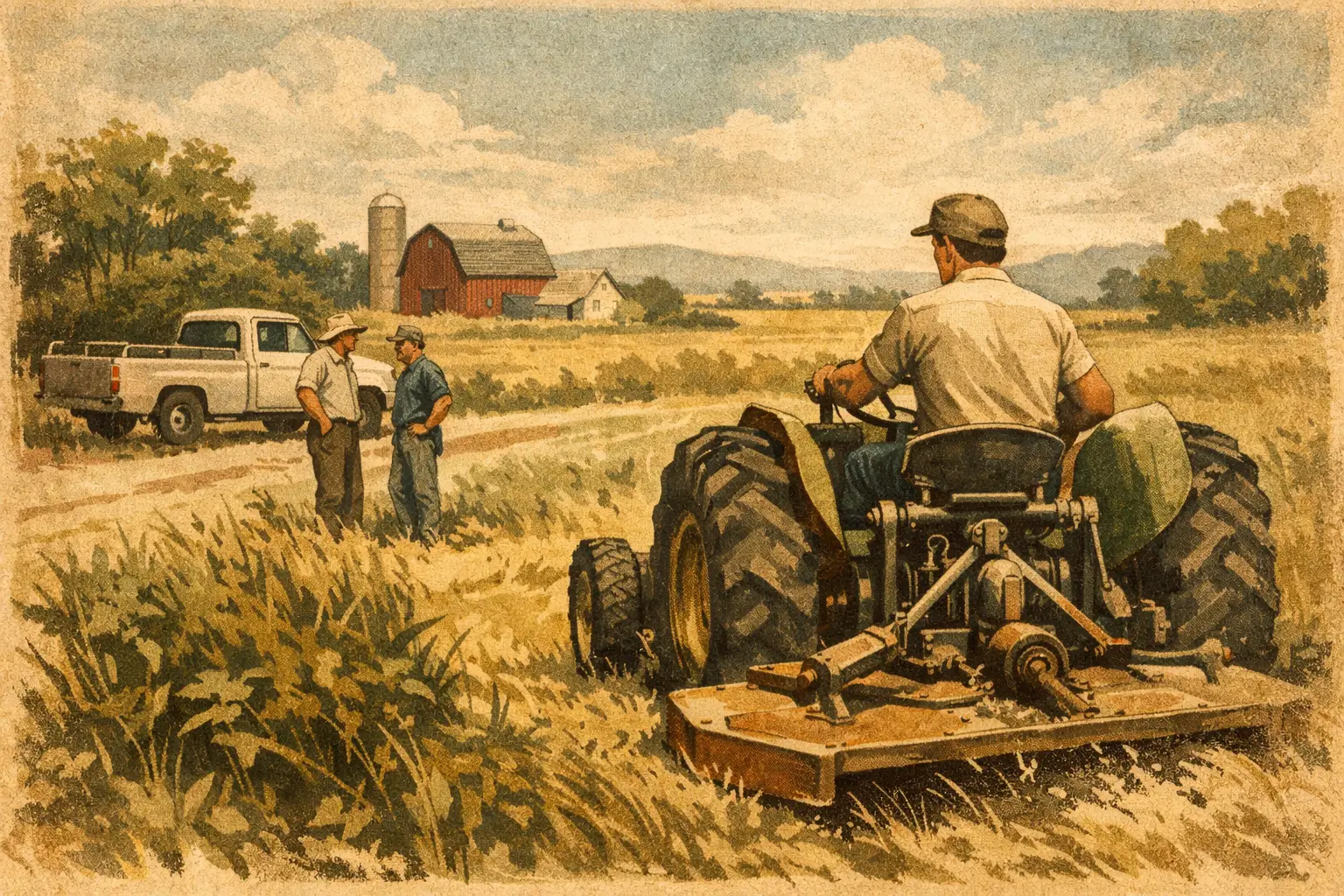
A brush hog is a heavy-duty rotary mower, commonly pulled behind a tractor. It is designed for growth that would stop or damage a typical lawn mower: tall grass, field weeds, goldenrod, small saplings, briars, and scattered brush. The result is a cut, more open property, not a polished lawn.

That distinction matters. Brush hogging is a strong choice when you need to reclaim an area, reduce hiding spots for pests, create access for a survey or fence repair, maintain an empty lot, or keep a field from becoming a thicket. It can also make a property look cared for while you decide on a longer-term landscaping plan.

It is usually not the best tool for a finish-ready yard, thick mature trees, stumps, large rocks, construction debris, or vegetation growing tightly around delicate structures. A mower crew may be better for maintained grass, while tree removal or forestry equipment may be needed for larger woody growth. A good local worker will be straightforward about where brush hogging ends and another kind of work begins.

How to Find Brush Hogging Services Near Me

A nearby provider is useful for more than convenience. Local workers understand the steep grades, wet ground, narrow driveways, and seasonal growth common around the Mid-Ohio Valley. They are also more likely to have realistic availability for a one-time clearing job or recurring field maintenance.

Start by describing the work clearly instead of simply asking for a price. A post that says, “Need a field mowed,” leaves too much to guess. Say where the property is, approximately how much area needs cut, how tall or dense the growth is, whether the terrain is level or sloped, and when you would like the work done. Photos and a short video can prevent surprises, especially when brush is hiding the ground.

With Lawns, residents can post the job, set a preferred price, and connect directly with nearby independent workers through in-app chat. That gives you room to ask practical questions, compare responses, arrange timing, and make sure the worker understands the property before anyone heads out with a tractor.

The lowest quote is not always the best value. A worker with the right machine and a clear plan may charge more than someone treating the job like ordinary mowing. In return, you may avoid a half-finished field, damaged equipment, or a rescheduled job after the worker sees how thick the brush really is.

Questions worth asking before you book

Ask what equipment the worker plans to use and whether it is suited to your property. A compact tractor may be ideal for a small, open lot, while a larger tractor or skid steer may be needed for dense brush or more acreage. If your access road is narrow, wet, or crossed by a small bridge, mention that early.

You should also ask whether the quote includes travel, loading and unloading, cutting around obstacles, and a return visit if the job requires more than one pass. Confirm what will happen with clippings and knocked-down brush. In many field jobs, material is left where it falls. That is normal, but it is better to agree on it beforehand than expect removal that was never included.

Finally, talk about the finish you want. Do you need the area cut once so you can walk it? Are you preparing for a fence, garden, or sale? Or do you want recurring cuts to keep regrowth under control? Your answer affects the equipment, schedule, and price.

What Affects Brush Hogging Cost

Brush hogging is commonly priced by the hour, by acreage, or as a flat job rate. The right approach depends on how predictable the work is. A smooth, open field can be estimated by acreage with confidence. A wooded-edge lot full of hidden obstacles is often better priced by time because it requires slower, more careful work.

The biggest cost factor is density. Tall grass is faster to cut than thick briars mixed with volunteer trees. Terrain matters too. A flat, dry field is easier and safer than a hillside, creek bank, or muddy low spot. Access can make a major difference: a worker who can pull in, unload, and begin cutting has a simpler job than one who must navigate gates, parked vehicles, or a long rough lane.

Hidden hazards are another reason estimates can change. Tires, wire, old fencing, cinder blocks, metal posts, and large rocks can damage a brush hog or become dangerous projectiles. If you know there is debris on the property, say so. Honest details help a worker price fairly and plan safely.

For a first-time clearing, expect the work to take longer than future maintenance cuts. Once an area has been opened up, cutting it once or twice a season is usually quicker and easier. That is why regular maintenance can be a better long-term choice for vacant lots, field edges, and acreage near homes.

Prepare the Property Before the Worker Arrives

A few minutes of preparation can save real time on the job. Walk the area if it is safe to do so and point out hazards that could be concealed by growth. Mark utility boxes, septic lids, drain fields, irrigation heads, boundary markers, young trees you want saved, and any object the worker needs to avoid.

Move vehicles, trailers, lawn furniture, toys, and loose materials out of the work zone. Secure pets indoors or well away from the area. Brush hogging throws debris, makes significant noise, and requires room to maneuver. Keep children and visitors away until the equipment is shut down and the worker says the area is safe.

If access involves a locked gate, provide a plan for entry. If you will not be home, communicate where to park, which sections to cut, and which areas are off limits. A simple map or labeled photos can be especially helpful on a larger property.

Do not try to clear unknown debris with a weed trimmer or by hand just to make the property look better before an estimate. If the growth is heavy, you could encounter sharp metal, snakes, uneven ground, or holes. Let the worker know what you can see and let them assess the rest safely.

Timing Matters More Than People Think

The best time to brush hog depends on what is growing and why you are cutting it. A midseason cut can keep a field accessible and reduce the spread of tall weeds before they go to seed. A late-season cut may help tidy a property before winter and make spring work easier.

Wet conditions can change everything. Heavy equipment on saturated ground can leave ruts, compact soil, or get stuck. On steep slopes, wet grass also creates a safety concern. It may be frustrating to postpone a job after rain, but a responsible worker will wait when conditions make the work unsafe or likely to damage the land.

If you are trying to control invasive plants or protect a specific habitat, timing gets more specific. Cutting at the wrong point in a plant’s growth cycle can encourage regrowth, and mowing during nesting periods may not be appropriate in some areas. Tell the worker your goal so you can decide whether immediate cutting or a planned schedule makes more sense.

Know What Good Work Looks Like

A successful brush hogging job leaves the agreed area visibly cut, accessible, and free of obvious uncut strips where equipment could reasonably reach. It does not mean every stem disappears or that the ground looks like a freshly mowed lawn. Coarse clippings, short stalks, and uneven-looking terrain are normal after clearing heavy growth.

Before payment, take a walk around the area from a safe distance or review photos if you could not be present. Confirm that the worker completed the sections you discussed, avoided marked features, and left access points as agreed. If something needs attention, raise it promptly and respectfully. Clear communication is how local jobs stay fair for both the homeowner and the person doing the work.

A freshly brush-hogged property creates breathing room. It gives you a safer view of what is on the land, makes the next project easier to plan, and helps your home or lot feel looked after. When you hire a capable neighbor for the job, you are not just clearing brush – you are keeping useful work and local dollars close to home.

How to Post a Yard Work Job and Get It Done

A yard can get away from you fast. One week of rain can turn mowing into a bigger job, a windy afternoon can fill the driveway with branches, and a busy family schedule can leave mulch, weeds, and cleanup waiting until the weekend that never opens up.

When you post a yard work job, a little detail upfront can make the whole experience easier. The right post helps nearby workers understand what you need, decide whether they have the tools and time, and give you a response that fits the job. It also helps you avoid the back-and-forth that comes from vague requests like “need yard help.”

Whether you need recurring lawn care or one strong set of hands for a seasonal cleanup, here is how to write a job post that gets your property cared for and keeps the work local.

Start With the Work That Needs Doing

Your job title should tell a worker the main task at a glance. “Mow and trim a small city yard” is more useful than “yard work needed.” “Haul brush after storm cleanup” gives a clearer picture than “help outside.”

Then use the description to explain what success looks like. If the grass needs mowing, mention whether trimming along sidewalks, fences, and landscaping beds is included. If you need leaf removal, say whether leaves should be bagged, moved to the curb, or hauled away. For a cleanup, describe the areas that need attention: front beds, backyard, driveway edges, a fence line, or around a shed.

You do not need contractor language. Plain, honest details are enough. A good description might say: “My backyard grass is about knee-high in spots after two weeks of rain. I need it mowed and trimmed around the fence and patio. The gate opening is about four feet wide, and grass clippings can stay on the property.” That tells a local worker far more than a photo-free one-line request.

Add Photos and the Details Workers Cannot See

Photos are one of the most helpful parts of a yard work post. Take a few in daylight from different angles, especially when the job involves overgrowth, branches, uneven ground, steep areas, or a large amount of debris. A wide photo shows the size of the space. A close photo shows the condition of the grass, weeds, leaves, or brush.

Mention access, too. Can a mower get through the gate? Is there a locked fence, a dog in the yard, a parked vehicle to work around, or a hill that makes the job harder? Does the worker need to bring a trailer, bags, or a brush hog? These details are not small. They affect the tools, time, and price a worker will need to plan for.

If you are posting from a rental property, be clear about what you are authorized to have done. If the job is for an older family member, explain who will be available to answer questions. Clear expectations are a kindness on both sides.

Separate Routine Care From a Cleanup Job

A weekly mowing job and a one-time yard rescue should not be posted the same way. Routine work is usually easier to price because the condition stays fairly consistent. State how often you need service and whether you want the same worker when possible.

A cleanup may involve surprises: hidden branches, thick weeds, old landscaping material, heavy wet leaves, or debris that requires hauling. If the amount is uncertain, say so. Ask workers to review the photos and message you with questions before agreeing on the final scope. It is better to set expectations early than to discover halfway through that the work is much larger than either person expected.

Choose Timing That Is Specific but Flexible

“ASAP” can be useful after a storm or before a property inspection, but it does not tell workers much about your actual availability. Give a preferred day, a time window, or a deadline. For example, you might say you would like the job done by Friday afternoon, but someone can work while you are away if they message when they arrive and finish.

Flexibility can bring more responses, especially during the spring rush, after heavy rain, or in the fall when leaf jobs stack up quickly. At the same time, be upfront if timing truly matters. Maybe you are hosting family, preparing a home for sale, or trying to clear a sidewalk before guests arrive. A worker can only decide whether to take the job when they know the real deadline.

Weather is part of yard work in the Mid-Ohio Valley. A good post leaves room for common sense. If rain delays mowing, state whether the worker can reschedule for the next dry day or whether you would prefer to coordinate first.

Set a Fair Preferred Price

Your preferred price gives workers a starting point, not a reason to guess what you mean. Think about the size of the property, how overgrown it is, whether special equipment is needed, and whether disposal or hauling is part of the work. A quick mow on a flat, open lot is different from a cleanup that requires loading wet limbs into a trailer.

If you are unsure what the job should cost, it is reasonable to post a budget range and invite workers to explain their quote. The lowest response is not always the best fit. Consider the worker’s reviews, their questions about the job, the equipment they plan to use, and whether their proposed plan actually covers what you asked for.

A fair price respects the worker’s travel, tools, fuel, physical effort, and time. It also helps attract people who can complete the job properly rather than rushing through it. Local work is most useful when both neighbors feel the arrangement is worthwhile.

Use Messages to Confirm the Scope Before Work Begins

Once workers respond, take a few minutes to chat through the details. Confirm what is included, when the work will happen, whether you need to be home, and what will happen to clippings, branches, or bags. If a worker spots an issue from the photos, such as a fallen limb that needs separate hauling, agree on any change before work begins.

This is also the moment to share practical information without oversharing. Let the worker know where to park, which gate to use, and how to reach you during the job. You can mention pets, children’s play equipment, sprinklers, or outdoor outlets if they affect the work.

With Lawns, customers can post the job, talk through details with nearby independent workers in app chat, and arrange the schedule around real life. That direct conversation keeps a simple task simple while giving both sides a record of what was agreed upon.

Check the Finished Work and Pay With Confidence

When the job is complete, take a look before marking it finished. Check the areas you included in the post: lawn edges, gates, beds, walkways, brush piles, or leaf bags. Most jobs go smoothly when the instructions were clear, but if something was missed, message the worker promptly and explain what needs attention.

A respectful question is usually more productive than an assumption. There may be a reason a portion was left untouched, such as unsafe footing, a hidden utility marker, or an item that was not part of the original scope. If the work meets the agreed plan, complete payment through the app and leave an honest review. Reviews help dependable local workers build their reputation, and they help the next neighbor hire with more confidence.

A Better Yard Starts With a Better Post

You do not have to spend your Saturday wrestling with a mower, hauling storm debris, or putting off the cleanup that has been bothering you for weeks. A clear yard work post turns a lingering chore into a specific local opportunity for someone ready to help.

Describe the job honestly, add useful photos, set realistic timing and a fair price, then communicate like neighbors. The result is more than a tidier lawn. It is practical help close to home, a chance for local workers to earn, and one less thing waiting on your weekend.

How to Find Trusted Local Workers Near You

A driveway covered in snow, a lawn that got away from you, a gutter overflowing before the next rain – these are not problems that should require a week of phone calls. When you need help close to home, the goal is simple: find trusted local workers who can do the job well, communicate clearly, and treat your property with respect.

For many Mid-Ohio Valley residents, the hard part is not knowing that help exists. It is figuring out who is available, what the job will cost, and whether the person coming to your home is dependable. A good local hiring process makes those questions easier to answer before work begins.

Start With a Clear, Honest Job Post

The fastest way to get the right response is to describe the work as if you were showing someone around your property. Instead of posting, “Need yard help,” say whether the grass needs mowing and trimming, whether branches need hauled away, how large the yard is, and when you would like it completed.

Details save time for everyone. A worker can tell whether they have the right equipment and enough time for the job. You get responses from people who understand the scope instead of guesses that lead to frustration later.

For a home task, include the location, preferred day or time window, and any access details that matter. If you need dog walking, mention the dog’s size, temperament, and usual routine. If you need power washing, say what surfaces need cleaned and whether there is outdoor water access. Photos can be especially useful for yard cleanup, brush hogging, junk removal, and projects where the amount of work is hard to describe in a sentence.

Price is worth addressing up front, too. Some jobs are best posted with a preferred price. Others may call for a conversation once a worker sees the photos or asks a few questions. Being open to a reasonable discussion is different from leaving the price entirely unclear. The right arrangement gives you control while allowing workers to account for time, travel, equipment, and disposal costs.

Where to Find Trusted Local Workers Without Guesswork

Neighborhood recommendations still have value. A friend who has hired someone for recurring mowing or snow removal can offer useful firsthand insight. But a personal referral may not tell you whether that person is available this week, serves your part of town, or handles the particular job in front of you.

A local marketplace gives you another path. Rather than calling several businesses and waiting for callbacks, you can post the work, hear from nearby independent workers, and compare the people who are interested. That is particularly helpful for everyday tasks that may not need a large contractor, such as cleaning, gardening, pet care, car detailing, window cleaning, hauling, or general odd jobs.

Trust should be built from more than a name and a phone number. Look for a platform that supports worker vetting, customer reviews, direct in-app communication, and secure payment. Those features create a record of the arrangement and reduce the pressure to hand over cash or share more personal information than necessary.

Lawns was built around that neighbor-to-neighbor need in the Mid-Ohio Valley. Customers can post local work, connect with nearby workers, discuss details in the app, and pay after the work is complete and they are satisfied. It keeps the process practical while helping more of the money spent on everyday services stay in the community.

Know What to Check Before You Hire

A strong profile and positive reviews are a good starting point, not a reason to skip the conversation. Read reviews for the qualities that matter to your job. For lawn mowing, look for comments about showing up on time, edging carefully, and leaving the property tidy. For cleaning, look for consistency, respect for the home, and attention to requested areas. For dog walking, reliability and comfort with animals matter more than a long list of unrelated jobs.

Then use chat to confirm the details. Ask whether the worker has the equipment needed, when they can arrive, and what is included in the quoted price. A good worker should be able to explain their plan in plain language. You should also be comfortable setting boundaries, such as areas that are off-limits, where to park, or whether you need a heads-up before they arrive.

For bigger or less predictable work, ask what could change the price. Hauling and yard cleanup are common examples. A quote may depend on the volume of debris, the distance to a disposal site, or whether heavy items need to be moved from a basement or backyard. That does not make the job risky. It simply means both sides should agree on how changes will be handled before the work starts.

A quick check for recurring jobs

Recurring help, such as weekly mowing, regular house cleaning, or scheduled pool maintenance, deserves a short trial period. Start with one visit if you can. You will learn more from a completed job than from any description: Was communication easy? Did the worker follow the agreed plan? Was the work done with care?

If it is a good fit, agree on a schedule that accounts for weather, holidays, and seasonal changes. Lawn growth slows down. Snow does not arrive on a convenient schedule. Clear expectations keep a recurring arrangement from becoming a recurring headache.

Keep Communication Simple and Specific

Most service problems begin with assumptions. The customer assumes a worker will take bags of leaves to the curb. The worker assumes the customer will provide salt for an icy walkway. Neither person says so, and a small detail turns into a disappointment.

Before the job begins, confirm the scope, timing, price, materials, and finish line. For example, does “yard cleanup” include hauling debris away? Does “snow removal” mean the sidewalk, steps, driveway, or all three? Does the worker need to bring a ladder for gutter cleaning? A few messages can prevent a lot of uncertainty.

Respect works both ways. Workers are often managing several nearby jobs, family responsibilities, and weather interruptions. Customers may have work schedules, children, pets, or mobility concerns that shape when a job can happen. Direct communication lets both sides make a plan that is realistic.

Use Secure Payment and a Clear Finish Line

Payment should feel straightforward, not awkward. A secure in-app payment process creates a record for the customer and the worker, while keeping payment tied to completed work and satisfaction. It also avoids the familiar scramble to find cash, write a check, or figure out whether a payment app request is legitimate.

Before confirming completion, walk around the property or check the work while it is fresh in your mind. If a gate was left unlatched, a corner was missed during cleaning, or a requested pile was not hauled away, raise the concern promptly and respectfully. Most issues are easier to resolve when everyone is still focused on the same job.

When the work meets expectations, leave an honest review. Specific feedback helps future customers make informed choices and helps good workers build a local reputation. A comment such as “arrived when promised, cleared the sidewalk, and salted the steps before the freeze” is more useful than a generic five-star rating.

Local Hiring Is More Than Checking Off a Chore

Choosing a nearby worker can mean a college student earning extra money, a skilled neighbor filling open hours between projects, or a hardworking resident building a flexible service business. The customer gets help with the home. The worker gets a fair chance to earn. The community keeps more opportunity close by.

That does not mean every job should go to the first person who responds. For specialized repairs, major tree work, electrical work, plumbing, or anything involving permits or safety risks, qualifications and proper licensing may be essential. Know when an everyday task calls for a local independent worker and when it calls for a dedicated professional.

The next time the to-do list starts crowding out your weekend, put the job into clear words, ask the practical questions, and choose someone whose communication gives you confidence. A well-kept home often starts with a neighbor who is ready to help.