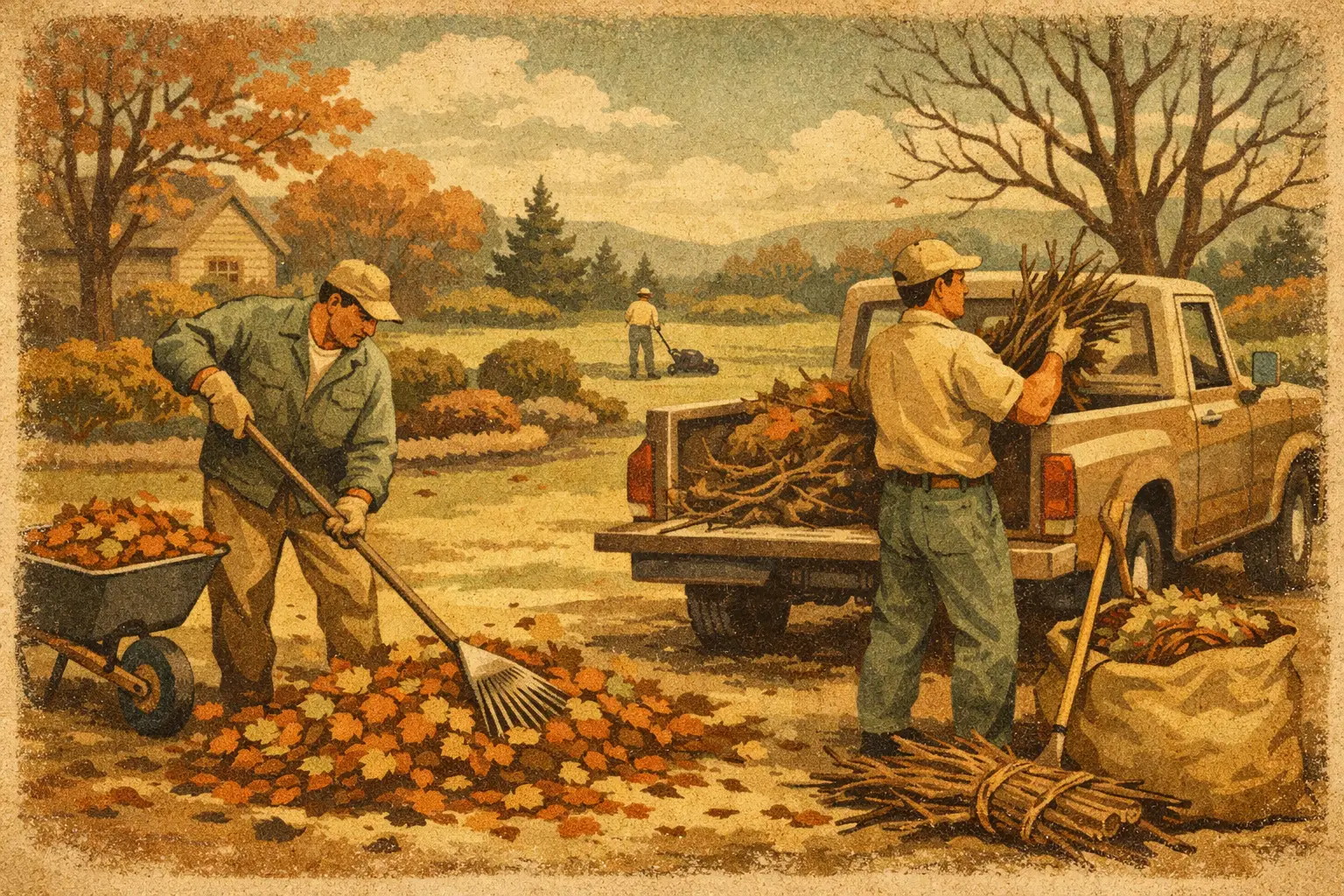
A yard can change fast between seasons. One windy week can cover a porch, driveway, and flower beds with leaves. A wet spring can reveal broken branches, washed-out mulch, and weeds that seemed to appear overnight. Seasonal yard cleanup services give homeowners and renters a practical way to reset those outdoor spaces without spending every free Saturday hauling bags or fighting with equipment.
For many Mid-Ohio Valley households, cleanup is not about having a picture-perfect lawn. It is about keeping walkways clear, helping the property drain properly, reducing slippery debris, and making the home feel cared for. Whether you are preparing for guests, catching up after a busy stretch, helping an older family member, or getting a rental ready for the next tenant, the right local help can make the job feel manageable.
What Seasonal Yard Cleanup Usually Includes
Yard cleanup is flexible because every property has a different starting point. A small in-town lot may need leaf raking, bed edging, and a quick haul-away. A larger property may need downed limbs gathered, brush moved, weeds cleared, and debris taken to the curb or removed altogether.
A typical cleanup may include leaf and stick removal, garden bed cleanup, light weeding, branch pickup, grass trimming around edges, and bagging or hauling yard waste. Some residents also ask for help moving patio furniture, clearing around outdoor units, spreading mulch, or tidying the area before a mowing schedule begins.
The key is to be clear about the result you want. “Clean up the yard” can mean very different things to different people. Describe which areas matter most, such as the front walk, back patio, fence line, gutters’ runoff areas, or flower beds. If you need debris hauled away, say so upfront. A worker can then respond with a price and plan that fit the actual work instead of guessing from a broad request.
Spring Cleanup: Start Fresh Without Falling Behind
Spring cleanup often has the longest to-do list. Winter leaves behind sticks, fallen limbs, salt residue near sidewalks, dead plant material, and soggy patches where drainage needs attention. Clearing debris early helps grass get sunlight and airflow, while cleaning beds before new growth makes gardening easier later.
Spring is also a good time to notice small issues before they become bigger ones. Low branches near a driveway, clogged drainage paths, loose fence debris, or neglected corners can make mowing and routine maintenance more difficult. Cleanup workers can handle the labor-intensive part, leaving you free to decide what you want to plant, repair, or improve.
Timing depends on the weather. Starting too early can mean another round of fallen branches after a late storm. Waiting too long can leave wet leaves packed against grass and flower beds. For most homes, a first cleanup after winter weather settles, followed by a lighter touch-up later in spring, is often more realistic than expecting one visit to solve everything.
Summer Cleanup Keeps Outdoor Areas Usable
Summer yard cleanup is usually less dramatic, but it can make a real difference for busy families and anyone who enjoys being outside. Fast-growing weeds, clippings along sidewalks, fallen storm branches, and overgrown edges can make a property look neglected even when the lawn is being mowed.
A midseason cleanup works especially well before a cookout, graduation party, family visit, or neighborhood gathering. It can also help renters keep a shared outdoor space in good shape without buying tools they may only use once or twice.
If the work involves heavy brush, large limbs, or a steep area, ask about equipment and experience before accepting a response. Light yard cleanup and major land clearing are not the same job. Matching the scope to the right local worker helps protect your property, your budget, and everyone’s safety.
Fall Yard Cleanup Is About More Than Leaves
Fall brings the obvious task: leaves. But leaf cleanup is not just cosmetic. Thick, wet layers can smother grass, hold moisture against hard surfaces, block drains, and create slick spots on steps and sidewalks. Leaves piled near foundations and window wells can also make it harder to spot drainage problems.
A fall cleanup can include repeated leaf removal rather than a single visit. That approach often makes more sense when mature trees keep dropping leaves for several weeks. You may prefer one thorough cleanup after most leaves have fallen, or lighter visits throughout the season so the yard stays usable.
Before winter arrives, it also helps to remove loose branches, clear access to outdoor faucets, tidy garden beds, and move debris away from walkways. A little preparation now can make snow removal easier later, especially when workers need a clear path to steps, driveways, and sidewalks.
How to Post a Better Yard Cleanup Job
The best job posts save time for everyone. A few useful details help nearby workers understand the work before they respond and make it easier to compare offers fairly.
Include the property location, the preferred date or timing, and a straightforward description of the job. Photos are especially helpful for leaf coverage, brush piles, garden beds, and areas with limited access. Mention whether you have bags, a rake, a wheelbarrow, or a place for debris to go, but do not worry if you do not. Just state what is available.
It also helps to explain your priorities. If your budget is limited, say whether clearing the front yard and walkway matters more than finishing every bed. If you need the backyard ready for pets or children, make that clear. Good cleanup work is not always about doing the most tasks. It is about doing the right tasks first.
With Lawns, residents can post the job, choose their preferred price, and connect with nearby independent workers through in-app chat. That gives you room to discuss the details directly, agree on timing, and use secure in-app payment after the work is completed to your satisfaction.
Set Clear Expectations Before Work Begins
A quick conversation can prevent the most common cleanup misunderstandings. Confirm what will be gathered, where debris will be placed, and whether hauling is included. Ask whether the worker plans to bag leaves, mulch them, place them at the curb, or take them away.
Be equally clear about what should stay. Decorative stones, compost piles, planted bulbs, children’s toys, and outdoor pet areas can be easy to miss in a cluttered yard. If there are gates, pets, parking limits, or soft ground after rain, share that information before the scheduled time.
Price can vary based on the size of the yard, amount of debris, hauling needs, terrain, and how soon the work is needed. A simple leaf rake-up may be a small job. A property with several brush piles and no place for disposal may require more time, labor, and equipment. Transparent details make a fair price easier to reach.
A Cleaner Yard Supports the Whole Neighborhood
Seasonal cleanup has a quiet community benefit. Clear sidewalks are easier for neighbors, delivery drivers, visitors, and children walking nearby. Well-kept properties can reduce litter from blowing debris and help a block feel welcoming without asking every resident to handle every task alone.
Hiring local workers matters, too. It turns practical skills into flexible income for people in the same area who know the roads, weather, and seasonal demands of the Mid-Ohio Valley. Instead of spending hours trying to track down a service provider through scattered recommendations, residents can put a real job in front of nearby people ready to work.
When the next pile of leaves appears or a storm leaves branches across the yard, you do not have to let the work sit there until it becomes overwhelming. A clear job post and a capable neighbor can turn an all-day chore into a yard you are glad to come home to.

