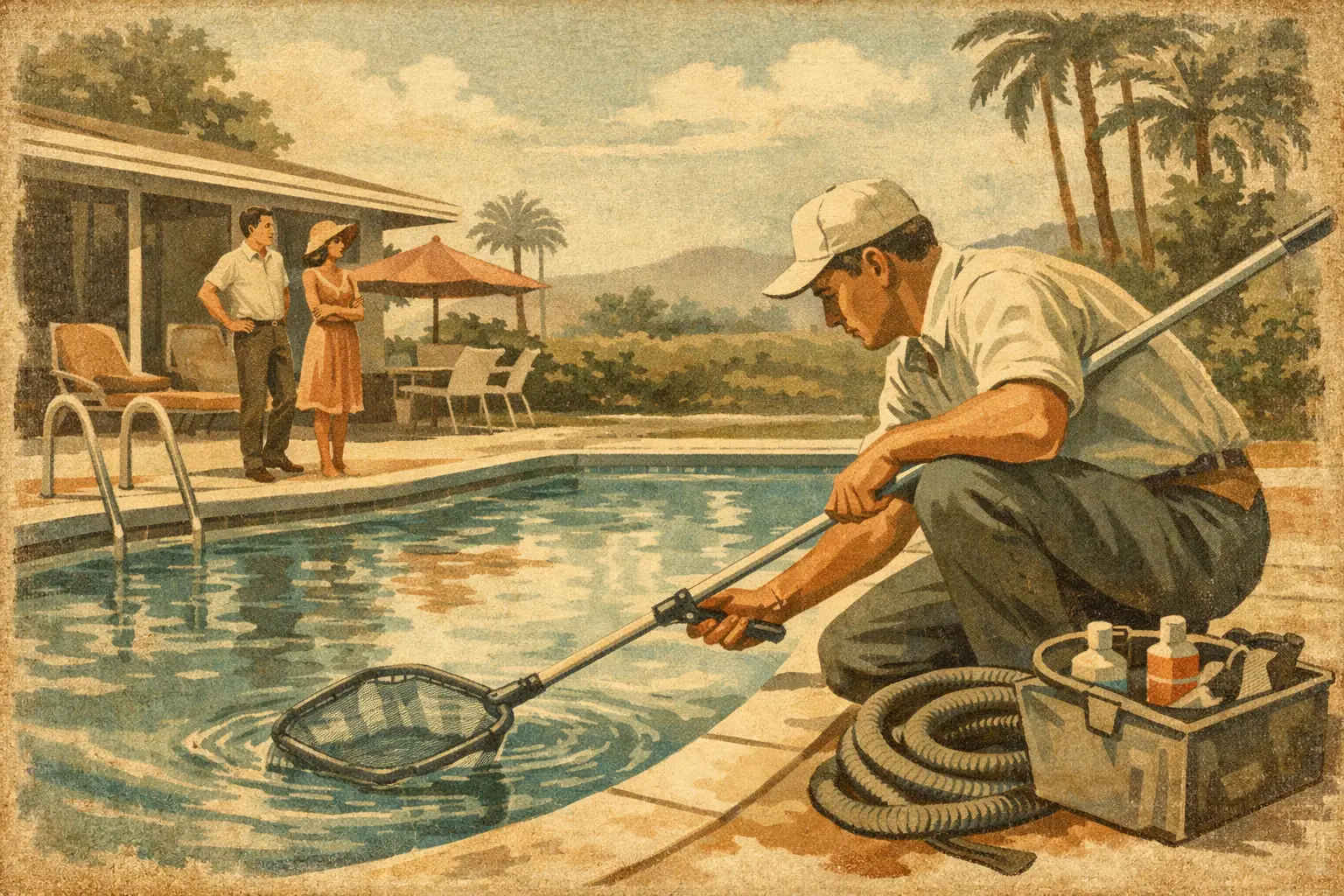
A pool can look fine from the patio and still be headed for trouble. Cloudy water, a slippery step, a filter that is running louder than usual, or a chemical level that keeps drifting can turn a relaxing backyard feature into a weekend full of testing, brushing, and second-guessing. When you hire pool maintenance help, you are not just handing off a chore. You are giving your pool the regular attention it needs to stay cleaner, safer, and ready when the weather cooperates.
For many Mid-Ohio Valley households, the question is not whether they can handle pool care themselves. It is whether they have time to do it consistently. Between work, family plans, storms, vacations, and the usual demands of keeping up a home, pool maintenance is easy to postpone. Unfortunately, a few skipped checks can create a bigger cleanup later.
When to Hire Pool Maintenance Help
The right time to bring in help is often before your pool looks like it needs rescuing. Regular service can be useful for homeowners who want to spend less time learning water chemistry and more time enjoying their yard. It also makes sense for older adults, busy families, rental-property owners, and anyone without the equipment or physical ability to vacuum, skim, brush, and manage a cover safely.
You may want a local worker for a one-time job, recurring visits, or help during the busiest parts of the season. A one-time visit can be a good fit when leaves have taken over after a storm, the water has turned cloudy, or you need the pool ready before guests arrive. Recurring help is often better when you want dependable weekly care and fewer surprises.
There are a few signs that waiting may cost more than arranging help now. Persistent algae, water that stays cloudy after basic treatment, weak circulation, or debris collecting faster than you can clear it can all point to a maintenance gap. If equipment is leaking, electrical components are acting up, or a pump will not run, ask for a qualified repair professional rather than treating it as a routine cleaning job.
What Pool Maintenance Usually Includes
Pool maintenance is not one single task. The work should match your pool type, its condition, the season, and the agreement you make with the worker. For a typical above-ground or in-ground residential pool, regular upkeep may include skimming the surface, emptying baskets, vacuuming the floor, brushing walls and steps, and checking the filter area.
Water care is just as important. A worker may test and adjust chemical levels based on the supplies you provide or the arrangement you set in advance. Clear communication matters here. Let the worker know whether you already have chlorine, shock, algaecide, test strips, salt, or other products on hand. If they are expected to bring supplies, discuss that cost before work begins.
Some pool owners need opening or closing help instead of weekly service. Opening can involve removing and cleaning the cover, reconnecting equipment, clearing debris, and getting the water on the right track for swimming season. Closing may include cleaning the pool, lowering water when appropriate, preparing equipment for freezing weather, and securing the cover. These jobs can be more involved, so it helps to post them early rather than waiting for the first hot weekend or the first hard freeze.
Write a Job Post That Gets Better Responses
A clear post helps nearby workers decide whether the job fits their skills, schedule, and equipment. It also gives you a better chance of receiving useful responses instead of spending time explaining the basics over and over.
Start with the pool type and approximate size. Mention whether it is above ground or in-ground, whether it uses chlorine or saltwater, and the main task you need completed. A post such as “Need weekly skimming, vacuuming, chemical testing, and basket cleaning for a 24-foot above-ground pool” is much easier to respond to than “Need pool help.”
Add the current condition without embarrassment. Workers need to know if the pool is mostly clean, covered in leaves, green with algae, or not circulating properly. Include access details that affect the work, such as a locked gate, pets in the yard, a steep slope, or limited parking. If you want recurring service, say how often you are considering and which days or times generally work.
Price is another conversation worth having upfront. You can post a preferred price, then discuss the scope through in-app chat. A fair price depends on the pool size, water condition, travel, supplies, equipment required, and whether the visit is routine or a catch-up cleanup. A low price for a large recovery job can lead to confusion. A straightforward description and a realistic budget make the process smoother for everyone.
Choose Local Help With Confidence
Inviting someone to care for your backyard space requires trust. Reviews, clear communication, and a detailed agreement can help you make a choice that feels comfortable. Look for a worker whose experience matches the job you posted, particularly if your pool needs more than basic surface cleaning.
Before the first visit, confirm what is included. Ask whether the worker will bring a vacuum, net, hose, testing tools, or chemicals. Decide whether you will be home, how they should access the yard, and how you would like updates handled if they find an issue. A quick message with a photo can be helpful when water condition or equipment performance needs your attention.
Lawns makes this neighbor-to-neighbor process easier by helping residents post a job, connect with local workers, discuss the details directly, and pay securely after the work is completed to their satisfaction. It keeps the focus where it belongs: finding practical help close to home while supporting people who do good work in the community.
Know the Line Between Maintenance and Repair
Routine pool care can prevent many problems, but it cannot solve every equipment issue. A local maintenance worker may be able to identify concerns such as a dirty filter, blocked basket, or low water level. More complicated problems may require a licensed or specialized pool technician, especially when plumbing, electrical systems, heaters, pumps, or major leaks are involved.
This distinction protects both you and the worker. If a job post includes “pump will not start” or “water level drops several inches a day,” describe it as a diagnostic or repair concern. Do not assume a standard cleaning visit covers those issues. For chemical care, follow product labels carefully and avoid mixing chemicals or asking a worker to use products they are not comfortable handling.
Make Ongoing Care Easier on Everyone
Once you find someone dependable, a simple routine can keep each visit efficient. Keep essential supplies in one dry, accessible place. Make sure gates, ladders, and pool equipment are reasonably clear. If your family uses the pool often, mention high-use days so the worker can plan around them.
It also helps to agree on what “done” looks like. For weekly service, that may mean the surface is skimmed, baskets are emptied, the floor is vacuumed, the walls are brushed, and water is tested. For a one-time cleanup, it may mean debris removal and a clear plan for any follow-up chemical treatment. Setting expectations early avoids awkwardness later.
A clean pool is one of the best reasons to spend time outside with family, friends, and neighbors. Get the help you need before a small maintenance task becomes a lost swimming weekend, then enjoy the part of pool ownership that matters most: stepping into water that is ready for you.

