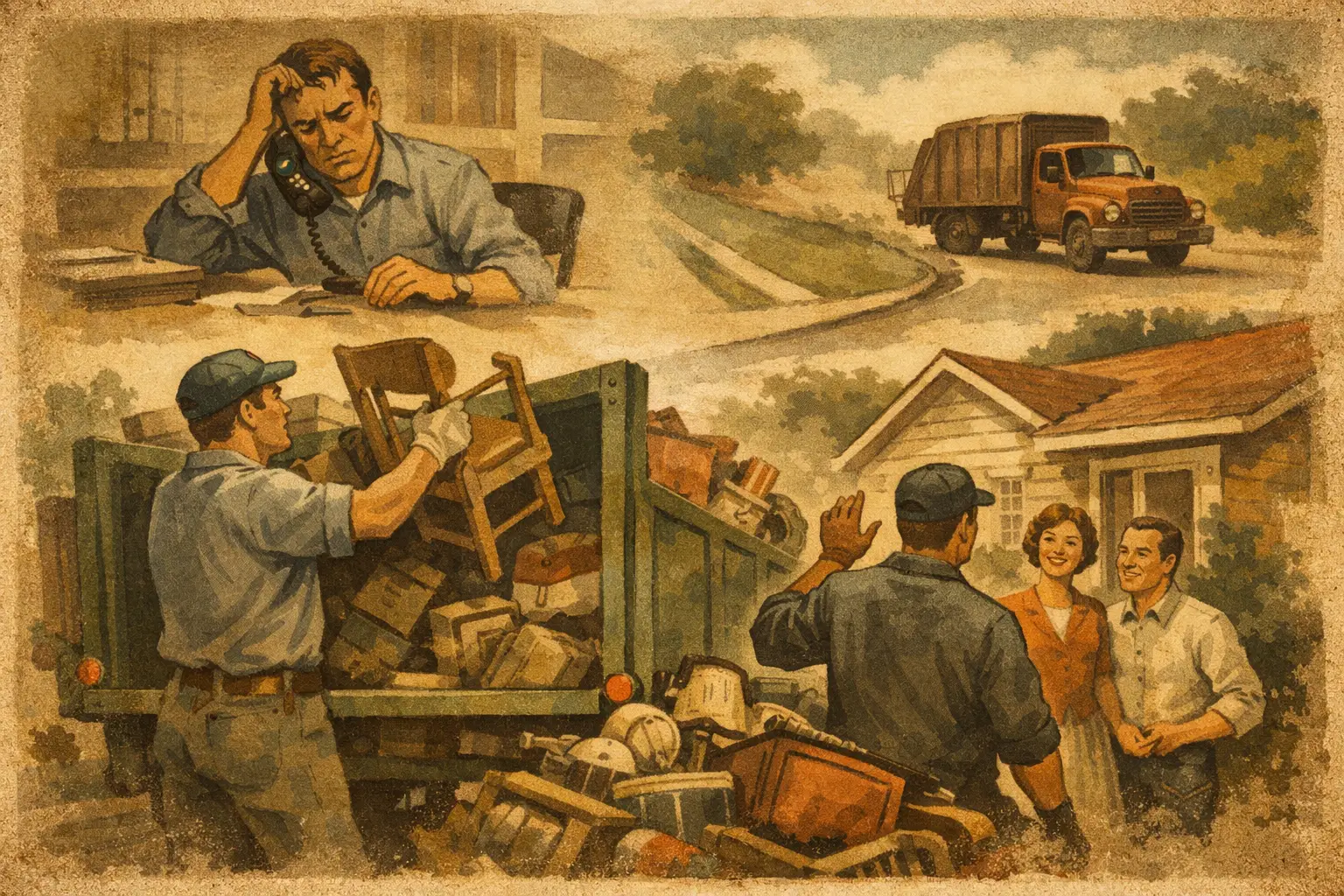
That old couch in the garage, the brush pile behind the shed, and the boxes left after a move all have one thing in common: they take up more than space. They take time, energy, and often a vehicle you may not have. When you need to get local junk removal, the best option is usually not the first number you find. It is a nearby worker who understands the job, shows up when promised, and can handle the items responsibly.
For homeowners, renters, families, and older adults across the Mid-Ohio Valley, junk removal is often part of a larger project. You may be clearing a basement before guests arrive, cleaning out a rental, preparing a home for sale, or finally tackling a yard that has collected more than leaves. A clear plan helps you get the help you need without paying for confusion, delays, or unnecessary hauling.
How to Get Local Junk Removal With Less Stress
The easiest junk-removal jobs start before anyone loads a truck. Take a few minutes to walk through the area and separate what needs to go from what can stay, be donated, recycled, or given away. That step keeps a worker from hauling items you meant to keep and gives you a more accurate idea of the size of the job.
Then think in practical terms. Is this a few bags and a broken chair? A garage full of household items? Construction debris after a small renovation? A pile of branches, old fence boards, and outdoor clutter? The more clearly you describe the work, the easier it is for a local worker to decide whether they have the truck, tools, and time to help.
Photos make a real difference. A wide photo shows access to the property and the overall amount of material. Closer photos show heavy, awkward, or unusual items such as mattresses, appliances, televisions, exercise equipment, or furniture. Include steps, narrow gates, steep driveways, basement doors, and anything else that could affect the work. Nobody enjoys a surprise on moving day, and good details help prevent one.
Be clear about what is included
A strong job post explains what needs to be removed, where it is located, and where the worker can park. It should also say whether you want items carried out of a home, gathered from a curb, broken down first, or swept up after loading.
For example, “Remove two couches, one recliner, and about 10 boxes from a first-floor living room” is much more useful than “Need junk gone.” If you have a preferred date, include it. If the job can happen anytime over a few days, say that too. Flexibility can make it easier to find an available nearby worker.
Price depends on the volume of material, labor, distance, disposal costs, and the equipment required. A simple curbside pickup may be quick. Carrying heavy items down stairs, sorting mixed debris, or making multiple disposal trips can take more time. Setting a preferred price gives workers a starting point, but leave room to discuss the details if the photos reveal a larger job than expected.
Choose Help Based on Fit, Not Just the Lowest Price
A low price can be welcome, but it should not be the only deciding factor. Junk removal involves your property, your belongings, and sometimes the inside of your home. Look for a worker whose reviews, job history, communication, and availability match the work you need done.
Ask practical questions before confirming the job. Do they have the right vehicle for the load? Can they handle the stairs or heavy lifting involved? Are disposal fees included in the agreed price? Will they take everything shown in the photos? A few messages up front can save a lot of back-and-forth later.
This is where a neighborhood marketplace can feel more useful than chasing down referrals or calling several companies. With Lawns, you can post the job with your location, timing, photos, and preferred price, then connect with independent local workers who are interested in the work. You can discuss the scope directly, agree on the plan, and keep communication and payment in one place.
Local does not mean you should skip common sense. Read reviews, keep messages clear, and make sure both sides agree on the final scope before work begins. If a worker suggests a price change because the job is materially different from the post, ask why and decide whether the change is fair before the work continues.
Plan for items that need special handling
Not every item belongs in a standard junk load. Paint, chemicals, gasoline, propane tanks, batteries, medical waste, and certain electronics may require specific disposal procedures. Some appliances can also have rules because of refrigerants or recyclable components.
Do not assume a worker can or should take these items. Mention them in your post and ask what they are able to haul. If an item requires a special drop-off, your local recycling or waste program may be the better fit. Being upfront protects the worker, your property, and the community.
Donation is worth considering when an item is clean, usable, and safe. A sturdy dresser, working small appliance, or children’s items in good shape may still serve another household. But be realistic. Broken furniture, water-damaged boxes, and worn-out mattresses are usually removal items, not donations. Sorting honestly helps the job move faster.
Make Pickup Day Easy for Everyone
Once you have arranged the job, make access as simple as possible. Clear a path to the items, move vehicles if needed, and secure pets indoors or away from the work area. If the items are outside, keep them grouped together so there is no question about what should be loaded.
If you are home, a quick walkthrough at the beginning is helpful. Point out the items, confirm any pieces that should stay, and mention fragile areas such as fresh landscaping, low-hanging branches, or a gate that needs to remain closed. You do not need to hover over the work, but being available for a question can keep the day moving.
Before the worker leaves, take another look at the area together. Check closets, corners, sheds, and the curb if the job involved several locations. Confirm that the agreed items are gone and that the space is left in the condition you discussed. Paying after you are satisfied gives you a straightforward final step instead of an uncomfortable chase for receipts or answers.
Junk Removal Can Be the Start of a Better Project
Clearing clutter often reveals the work you actually want to do next. Once the garage is open again, you might have room to organize tools, park a car, or set up a workshop. Once yard debris is gone, mowing, trimming, gardening, or pressure washing becomes easier. After an estate cleanout or move, a deep cleaning can make a space feel like home again.
That is the value of handling one practical job at a time. You do not have to turn a Saturday into a hauling project or wait until the pile gets bigger. Post a clear job, work with a nearby person who is ready to help, and make room for the part of your home and your day that matters more.

