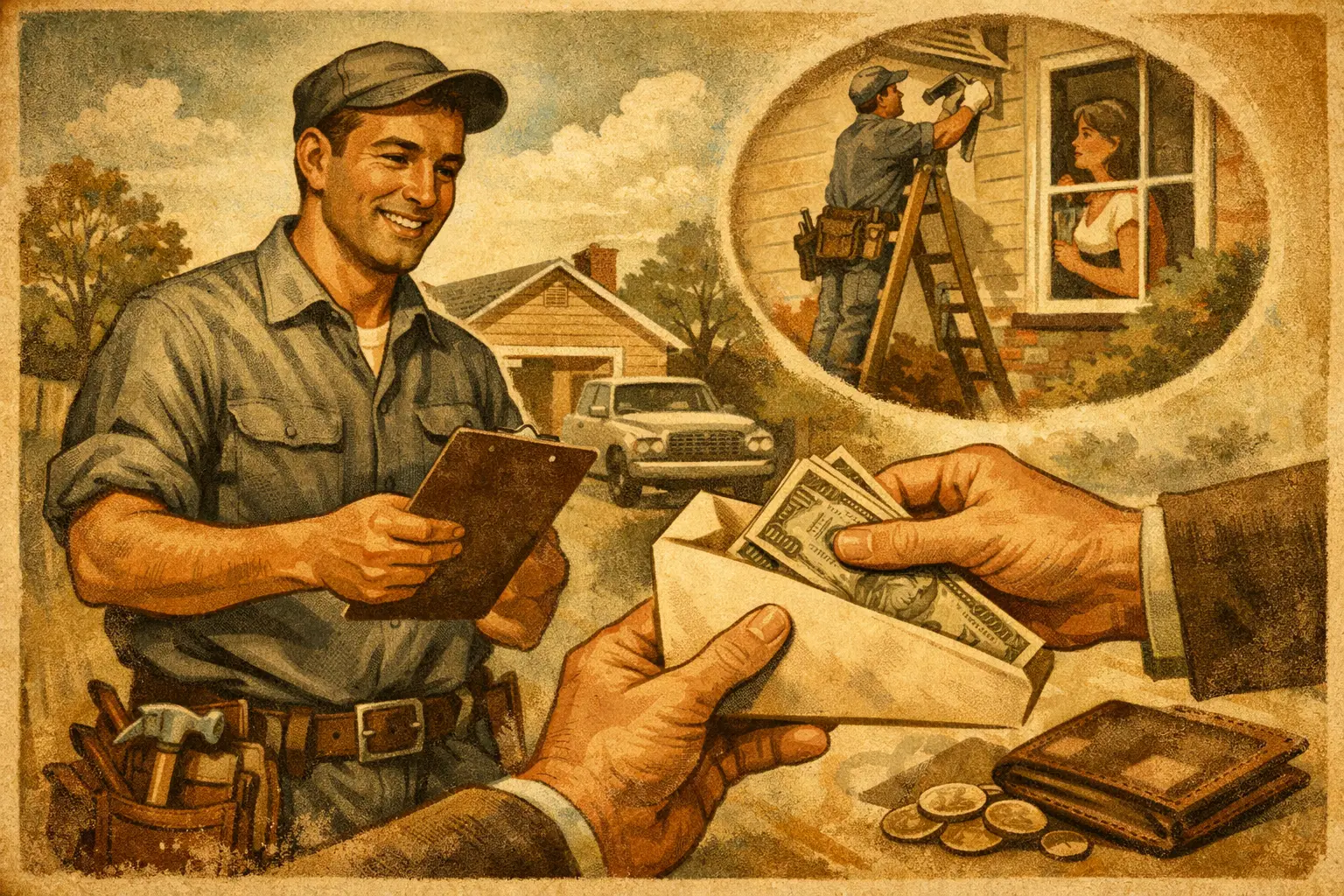
A yard cleanup should not end with an awkward conversation in the driveway about whether cash is available, a check will clear, or an online transfer went to the right person. Secure payment for local jobs gives both neighbors a clearer finish line: the work gets done, the customer confirms they are satisfied, and the worker gets paid through the app.
That matters whether you need someone to mow a sloped yard in Parkersburg, walk the dog while you are away for the weekend, clear snow before an early shift, or haul away the pile that has been sitting by the garage too long. Small local jobs are personal. Payment should feel straightforward, fair, and protected for everyone involved.
Why local job payments need more than a handshake
Hiring a neighbor has real advantages. They are nearby, understand the area, and often depend on a good local reputation to keep earning work. But even between good people, informal payment can create confusion. A customer may wonder whether it is safe to pay before the work is finished. A worker may worry about putting in hours of labor only to hear that payment will come later.
Cash can be convenient, but it is easy to misplace and leaves little record. Checks take time and can create uncertainty. Sending money through a personal payment app may work for someone you already know well, yet it does not always give either side a clear connection between the payment and the agreed job.
A marketplace payment process helps put the job details, messages, price discussion, and payment in one place. That does not remove the need for good communication, but it gives both people a shared record of what was arranged.
What secure payment for local jobs should look like
For customers, security starts with control. You should be able to post what you need, include the location and timing, and state a preferred budget. When nearby workers respond, you can talk through the scope before anyone arrives. If a yard needs mowing, trimming, and leaf removal, say so. If only the front lawn needs attention, make that clear too.
The agreed price should match the actual job. Some work is simple and predictable, such as a dog walk or a standard lawn mow. Other tasks, including junk removal, brush hogging, gutter cleaning, or a large cleanup, may need photos, a closer look, or a revised price after the worker sees the property. That is normal. The key is agreeing on the change in the app before the extra work begins.
For workers, secure payment means knowing that a completed job has a clear path to pay. Workers should not have to chase down a customer, send repeated reminders, or hope a verbal promise turns into a transfer days later. A reliable in-app process respects the time, equipment, fuel, and skill that local work requires.
For both sides, the best experience is simple: agree on the details, complete the job, confirm satisfaction, and process payment. No stacks of receipts. No uncertainty over whether a username was entered correctly. No pressure to hand over cash before you have seen the finished work.
Keep the job details in writing
A secure transaction starts before payment. Use in-app chat to confirm the practical details: what needs done, when the worker will arrive, what equipment is needed, where to park, and how the customer wants the property left afterward.
For example, a snow removal job can sound straightforward until both people realize one expects the sidewalk salted and the other only expects the driveway cleared. A quick message beforehand can prevent disappointment later. The same goes for power washing, gardening, window cleaning, pool care, and car detailing.
Photos can help when the work involves a specific area or a pile of materials to remove. They are especially useful for jobs with variables, where a price depends on size, access, debris, or the condition of the property. Clear expectations protect a worker from scope creep and protect a customer from surprise charges.
Pay after the work meets the agreement
Customers deserve a chance to see that the job was completed as discussed. Workers deserve timely payment once that happens. Those two needs are not in conflict when the process is built around completion and customer approval.
Before confirming payment, take a few minutes to check the work. Walk around the yard after mowing. Look at the cleared walkway after snow removal. Make sure the agreed bags of junk are gone or the gutters are cleaned as requested. If something minor needs attention, communicate promptly and respectfully while the worker is still available.
Most local jobs are completed without a problem. When a concern does come up, specifics make it easier to resolve. Instead of saying the work was not right, explain what is missing from the original agreement. Was a side gate left unlatched? Was a section of the yard missed? Was the dog walk shorter than arranged? A fair conversation has a better chance of ending well when it stays focused on the task.
Trust is built one completed job at a time
Payment security is only part of hiring locally, but it supports everything else. Reviews, worker vetting, direct communication, and a record of completed jobs all help people make better decisions before they hire or accept work.
Customers can feel more comfortable inviting help onto their property when they can learn from other neighbors’ experiences. Workers can build a reputation through dependable arrival times, respectful communication, and work that matches the job description. Over time, those good experiences become valuable local word-of-mouth, even when the introduction happened through an app.
This is why ratings should be used thoughtfully. A review is most helpful when it explains what went well: the worker showed up when promised, handled a difficult hill, cleaned up afterward, or communicated clearly when weather caused a delay. Honest feedback helps other residents choose confidently and gives hardworking local people a chance to earn more nearby work.
A few habits that protect customers and workers
The payment tool matters, but the way people use it matters too. Customers should avoid asking a worker to begin a larger or different task without updating the agreement first. Workers should avoid accepting a job description they do not fully understand. If the price, timing, or scope changes, put the new plan in the app.
Never share account passwords, verification codes, or sensitive financial details in a chat. A legitimate payment process should not require either person to send private banking information to the other. Keep messages focused on the work and use the platform’s payment flow when it is time to pay.
It also helps to be realistic about price. A low budget may be appropriate for a quick task, but jobs involving heavy lifting, specialized tools, long driveways, steep terrain, disposal fees, or extra cleanup can cost more. Workers should quote honestly, and customers should ask questions before accepting. A clear price is better than a cheap estimate that turns into a disagreement.
Keeping local work local
When payment is handled safely, it does more than make one transaction easier. It helps local workers take on flexible jobs with confidence. It helps busy families, older adults, renters, and property owners find practical help without calling around for days. And it keeps more spending circulating among the people who live and work nearby.
Lawns is built around that neighbor-to-neighbor idea: post a job, connect with nearby workers, arrange the details, and pay after you are satisfied. Whether the task takes thirty minutes or most of an afternoon, both sides deserve a process that feels fair.
The next time a job around the house keeps getting pushed to another weekend, choose a clear agreement, communicate well, and let secure payment give the work the proper finish it deserves.

