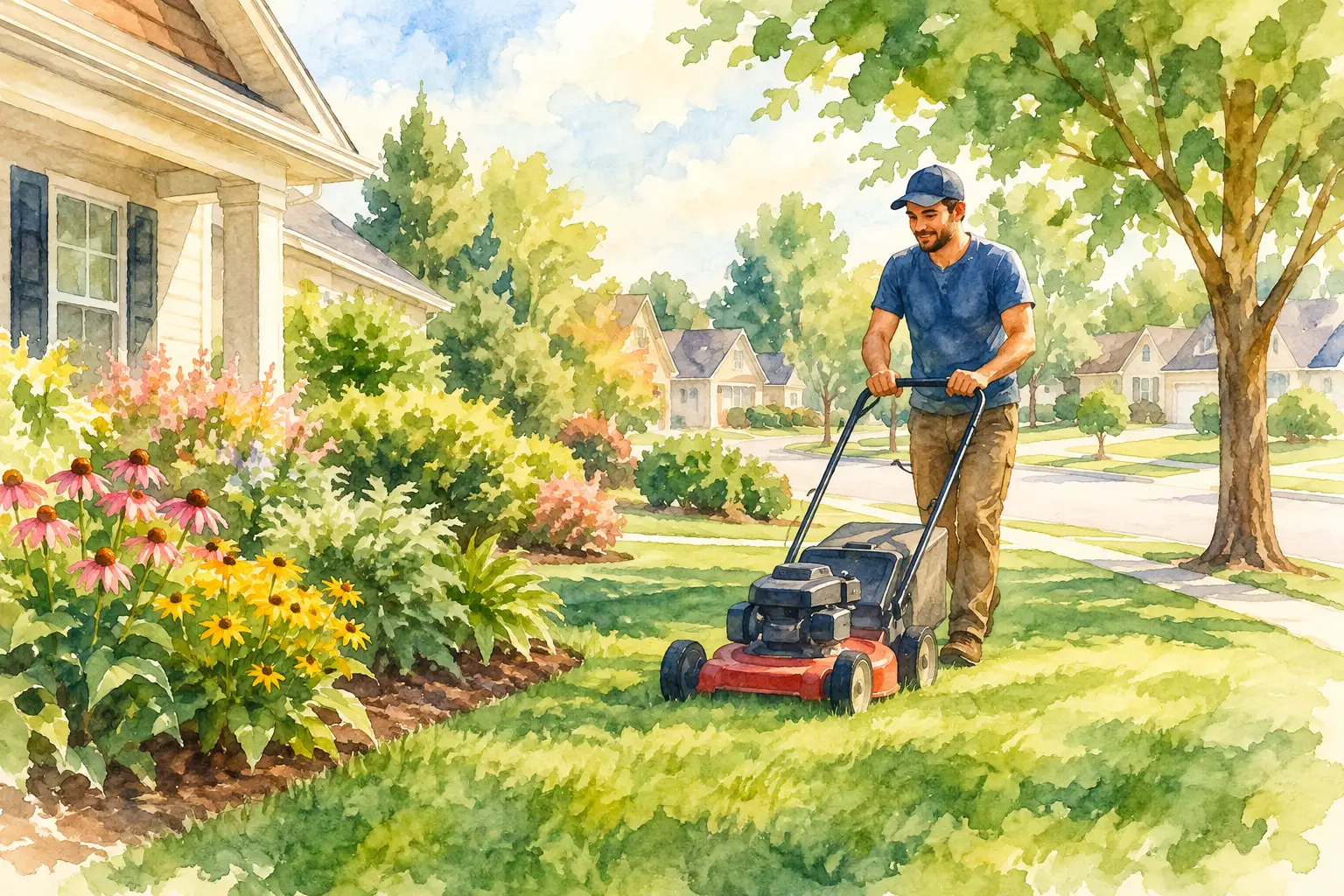
A mower, a rake, and a willingness to show up can be worth more than many people realize. If you are wondering how to earn with yardwork, start by looking at the work homeowners put off every week: grass that needs cutting, leaves gathering in gutters, flower beds filling with weeds, and brush taking over the edge of a property. Those are not small problems to the person who cannot get to them. They are local opportunities for dependable workers.
Yardwork is a practical way to earn flexible income because the need is visible, recurring, and close to home. A neighbor may need one afternoon of cleanup before a family gathering, while another may need mowing every other week through the growing season. The key is not trying to offer every service on day one. It is doing a few useful jobs well enough that people feel comfortable asking you back.
Start With Yardwork You Can Do Well
The fastest way to lose money on a yard job is to promise more than your equipment, time, or experience can handle. Begin with tasks you can safely complete to a standard you would be comfortable seeing at your own home. A clean, reliable mowing job is more valuable than an ambitious landscaping project left unfinished.
Good starting services include lawn mowing and trimming, leaf and stick cleanup, weeding, mulching, simple garden upkeep, hedge trimming, and hauling yard debris. If you have the right equipment and know how to use it, you may also take on power washing, gutter cleaning, brush hogging, or snow removal when the season changes.
Think about what comes naturally to you. Someone with a pickup truck may be especially useful for hauling brush or junk. Someone who enjoys gardens may build a steady list of weeding and planting clients. A student with a mower can focus on recurring lawns near home. There is room for different kinds of workers because no two properties need exactly the same help.
How to Earn With Yardwork: Price the Whole Job
Pricing can feel uncomfortable at first, especially when the customer is a neighbor. But a fair price protects both sides. The homeowner knows what to expect, and you know the work is worth your time.
Before naming a price, consider the size and condition of the property, the time required, travel, fuel, equipment wear, disposal fees, and whether the work needs more than one person. A small, regularly maintained yard should not be priced like an overgrown lot that has not been touched all season.
For simple recurring work, an agreed price per visit is often easiest. For cleanup, mulching, weeding, or brush removal, a job price usually makes more sense because the amount of work can vary widely. Ask for photos or visit the property when possible. Clear expectations before you begin prevent the awkward moment when a customer expects their entire yard restored for the price of a quick mow.
Be specific about what is included. For example, explain whether mowing includes trimming and blowing clippings off the driveway, whether bagging is included, and where leaves or debris will go. If hauling away material costs extra, say so before work begins. Straightforward communication is part of good service.
Do not race to be the cheapest person available. Low prices may help you get your first job, but they can make it hard to cover fuel, replace a broken trimmer line, or give each customer the time their property deserves. Competitive pricing is fair, not desperate.
Build Trust Before You Build a Route
Most people are not only hiring someone to cut grass. They are inviting that person onto their property. Reliability, respect, and communication matter as much as the finished lawn.
Confirm the date, arrival window, price, and task details before the job. If rain changes your schedule or a piece of equipment breaks down, send a message as soon as you know. A homeowner can usually work with a delay. What frustrates people is being left to wonder whether anyone is coming.
When you arrive, treat the property carefully. Close gates behind you, watch for pets and children’s toys, avoid damaging landscaping, and leave walkways clear. Take a quick before-and-after photo for your own records, particularly for larger cleanup jobs. It helps document what you completed and gives you examples of your work later.
After the job, let the customer know it is finished and ask if there is anything they would like handled differently next time. That last question can turn a one-time job into a regular customer. It also shows that you take pride in the result rather than simply checking off a task.
Turn One Job Into Steady Local Income
The most dependable yardwork income often comes from repeat customers, not constantly searching for brand-new jobs. A homeowner whose grass grows every week does not need a one-time solution. They need someone they can count on.
At the end of a successful job, offer a simple next step: “Would you like me to come back every two weeks?” For lawn care, set a schedule that fits the season and the customer’s preference. For gardens, suggest a monthly weeding visit. For fall cleanup, ask whether they would like help again after the next heavy leaf drop.
You can also offer related services when they genuinely fit the property. A mowing customer may need edging, a spring cleanup, mulch spread, or gutter cleaning. Do not pressure people into extra work. Instead, point out a need you noticed and give them the choice. Helpful suggestions build trust. Pushy sales talk does not.
Keep a simple record of each job: customer name, address, work completed, price, preferred schedule, gate or pet notes, and any follow-up needed. A notebook works, and so does a basic phone calendar. Organization helps you avoid missed appointments and makes busy seasons much easier to manage.
Use the Seasons to Your Advantage
Yardwork income does not have to disappear when summer mowing slows down. In the Mid-Ohio Valley, each season brings a different set of needs.
Spring is busy with storm debris, leaf cleanup left over from winter, mulch, garden preparation, and the first grass cuts. Summer brings regular mowing, trimming, watering help, weeding, and power washing. Fall can mean leaf removal, gutter cleaning, brush hauling, and property cleanup before winter. When cold weather arrives, dependable workers may find snow shoveling, salting, and driveway clearing opportunities.
This variety is useful, but it has a trade-off. Seasonal work may require different tools, more physical effort, or greater safety awareness. Do not take on roof-related work, tree removal, electrical jobs, or heavy equipment tasks unless you have the experience, equipment, and insurance needed to do them safely. Turning down work outside your ability is a professional decision, not a missed opportunity.
Find Work Close to Home
Hyperlocal work is often the best kind of work. Less driving means less fuel spent and more time earning. It also makes it easier to build a reputation in the neighborhoods where people recognize your name and recommend you to friends.
Let people know clearly what you do, where you work, and how to reach you. Share before-and-after photos with permission, ask satisfied customers for a review, and keep your communication polite and prompt. Referrals tend to follow when homeowners see reliable results.
A local marketplace such as Lawns can also make the process more straightforward. Homeowners can post the job details, nearby workers can respond, and both sides can agree on timing and price before the work begins. Secure in-app payment and reviews add useful peace of mind, especially when you are building your name with new customers.
Treat Yardwork Like a Small Business
Even if you only work weekends or between classes, approach each job with care. Keep your blades sharp, maintain your equipment, set aside money for fuel and repairs, and track what you earn. If you are regularly making income, learn the local and federal tax rules that apply to independent work and keep records of business expenses.
Your reputation is one of your most valuable tools. Showing up on time, doing what you agreed to do, and leaving a property better than you found it will take you further than a fancy logo ever could. Neighbors remember the worker who answered the message, respected the property, and handled the job without making things complicated.
Start with one yard, do it right, and let your work speak for itself. A better-looking lawn can give a homeowner back their Saturday, and the money they spend can stay in the hands of someone nearby who is willing to earn it.

