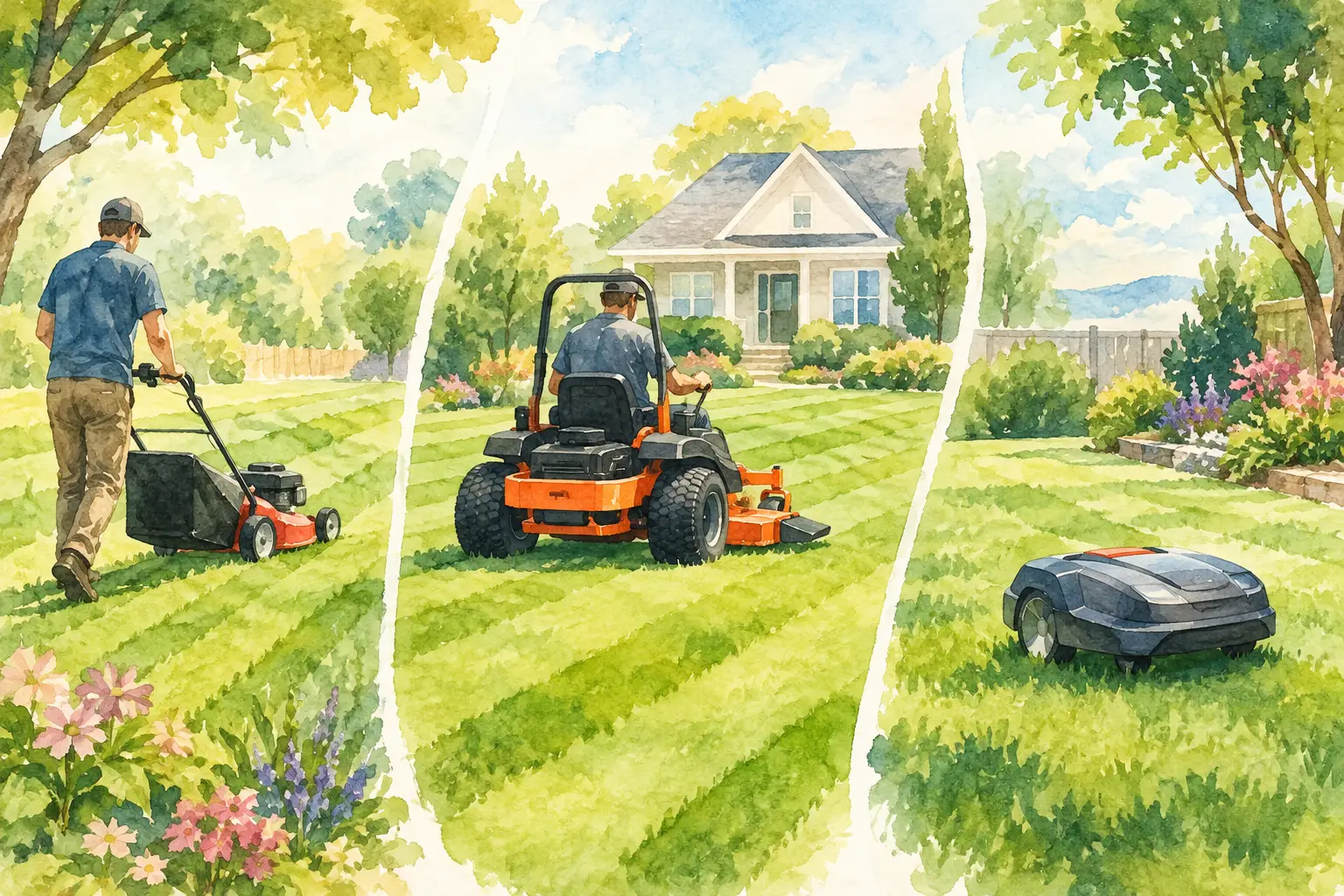
A freshly cut lawn changes how a home feels before anyone reaches the front door. But a mowing service comparison is about more than finding the lowest number on a quote. It is about finding someone who shows up when promised, treats your property with care, and leaves your yard looking like a place you are proud to come home to.
For busy families, older adults, renters responsible for outdoor upkeep, and anyone without the equipment or time to mow, the right local help can take a weekly chore off the calendar. The best choice depends on your lawn, your budget, and how much flexibility you need.
What to Compare Before You Hire a Mowing Service
Start with the work itself. “Lawn mowing” can mean a quick pass with a mower, or it can include trimming around fences and flowerbeds, edging sidewalks, blowing clippings from hard surfaces, and bagging or removing debris. Two prices may look far apart because the services are not actually the same.
Ask each provider what is included in a standard visit. If your property has a steep slope, lots of landscaping, a fenced backyard, pet waste, thick grass, or difficult access, mention it up front. Clear details lead to more accurate pricing and fewer surprises when mowing day arrives.
Frequency matters, too. A weekly cut often keeps a lawn neater and may be easier to maintain during fast spring growth. Every-other-week service can fit a tighter budget, though long or wet grass may require more time and leave more clippings behind. There is no universal schedule that works for every property in the Mid-Ohio Valley. Rainfall, shade, grass type, and your own expectations all play a part.
Price: Compare the Full Job, Not Just the Starting Rate
An unusually low price can be a good deal, but it deserves a closer look. Is it for mowing only? Does it apply only to a small, flat lot? Is trimming extra? Will the price change if the grass has gone too long between visits?
A fair quote reflects the real work required. It should account for the size and condition of the yard, the equipment needed, and whether the provider is handling details beyond the mower. For recurring work, ask whether the per-visit price stays the same through the season or whether there are additional charges for overgrown grass, leaf-heavy fall visits, or other conditions.
The goal is not to squeeze every dollar out of the job. It is to agree on a price that feels clear and reasonable to both the homeowner and the local worker. That kind of agreement makes repeat service much easier.
Reliability: A Neat Lawn Needs a Dependable Schedule
A mower can be skilled and still be the wrong fit if communication is inconsistent. When comparing options, pay attention to how a provider responds before the first job. Do they answer practical questions? Do they confirm the date and expected arrival window? If rain delays the work, do they explain the plan?
Reviews can help here, especially when they mention punctuality, communication, care around property, and whether the finished work matched expectations. One review alone rarely tells the whole story. A pattern of thoughtful feedback is more useful than a perfect-looking rating with no detail.
Reliability also means being realistic. Local independent workers may have weather delays, family obligations, or busy stretches during peak mowing season. That is not automatically a problem. What matters is whether they communicate early and work with you to reschedule.
Local Knowledge: Your Yard Is Not a Generic Job
A local mower understands that a Parkersburg-area lawn can change quickly after a few warm, rainy days. They may also recognize the difference between a yard that needs a routine cut and one that needs cleanup before regular maintenance can begin.
Local service can be especially helpful for properties with neighborhood-specific concerns: tight driveways, a shared access area, a drainage ditch, a hillside, or a rental property that needs attention between tenants. A nearby worker can often assess the situation directly and recommend a practical next step, whether that is mowing, trimming, yard cleanup, brush hogging, or hauling away storm debris.
Hiring locally has another benefit that is easy to overlook. The money you spend stays closer to home, supporting people who live and work in the same communities as the customers they serve.
Mowing Service Comparison: Company, Solo Worker, or Marketplace?
Most homeowners choose among three common routes: an established lawn care company, an independent local worker, or a local marketplace that helps customers connect with workers. Each can be a good fit.
A lawn care company may offer a set route and a familiar process. This can work well for homeowners who want regular maintenance with little back-and-forth. The trade-off is that scheduling, service packages, and pricing may be less flexible. You may have fewer choices about who handles the job or which small extras can be added on a given visit.
An independent worker can offer a more personal arrangement. You may be able to discuss the yard directly, adjust timing, and agree on a custom scope of work. The trade-off is that you need a dependable way to verify experience, communicate details, and handle payment safely.
A local marketplace can give you some of the flexibility of working with an independent worker while adding useful structure around job posts, communication, reviews, and payment. With Lawns, for example, customers can post the location, timing, and preferred price, then connect with nearby workers through the app. That approach can be helpful when you want to compare responses instead of calling several providers and waiting for callbacks.
The right choice comes down to what you value most. If you want the same crew on a fixed schedule, a company may make sense. If you have a one-time need or want to negotiate details directly, an independent local worker or marketplace match may be the better option.
Questions That Lead to a Better First Mow
Before confirming the job, make sure both sides understand the basics. These questions prevent most misunderstandings:
- What areas of the property should be mowed, trimmed, edged, or blown clean?
- How often do you want service, and what should happen if rain causes a delay?
- Are there gates, pets, fragile plants, obstacles, or access instructions to know about?
- What price has been agreed on, and when will payment be completed?
Photos can help when you are requesting a quote, particularly for larger yards, overgrown grass, slopes, brushy areas, or spaces behind a fence. They give the worker a better sense of the work before arriving. If you prefer an in-person look, be clear that the final price may depend on the actual condition of the property.
It also helps to decide what “finished” means to you. Some homeowners care most about a consistent mowing height. Others want clean sidewalk edges, careful work around landscaping, or clippings removed from the driveway. Say so early. Good local workers want that clarity because it helps them do the job right.
When the Lowest Quote Is Worth It – and When It Is Not
Choosing the lowest quote can be perfectly sensible for a simple, small lawn with easy access and a clear scope. If the worker has solid reviews, communicates well, and confirms what is included, a lower price may simply reflect efficient equipment or a route nearby.
Be more cautious when the price seems disconnected from the job. A large, steep, or badly overgrown yard takes time and fuel. If a quote is far below every other response, ask how the worker plans to handle the work and whether trimming, cleanup, or disposal is included. A cheaper first visit can become frustrating if the job is rushed or extra charges appear afterward.
Value is usually found in the middle ground: a fair price, clear expectations, respectful communication, and work that holds up week after week. That is the kind of service people remember and recommend to neighbors.
Make Lawn Care Easier to Keep Up With
Once you find someone who does good work, a simple routine can keep the relationship running smoothly. Confirm your preferred mowing frequency, keep gates accessible, let the worker know about changes on the property, and speak up promptly if something needs attention. A short message is often all it takes to keep a small concern from becoming a larger one.
Your lawn does not need to be perfect to make your home feel cared for. It just needs the right kind of attention from someone you can trust. Choose local help that communicates clearly, respects your property, and makes it easier to enjoy your day while your yard gets the care it needs.

