How to Hire Snow Shoveling Help This Winter

How to Hire Snow Shoveling Help This Winter

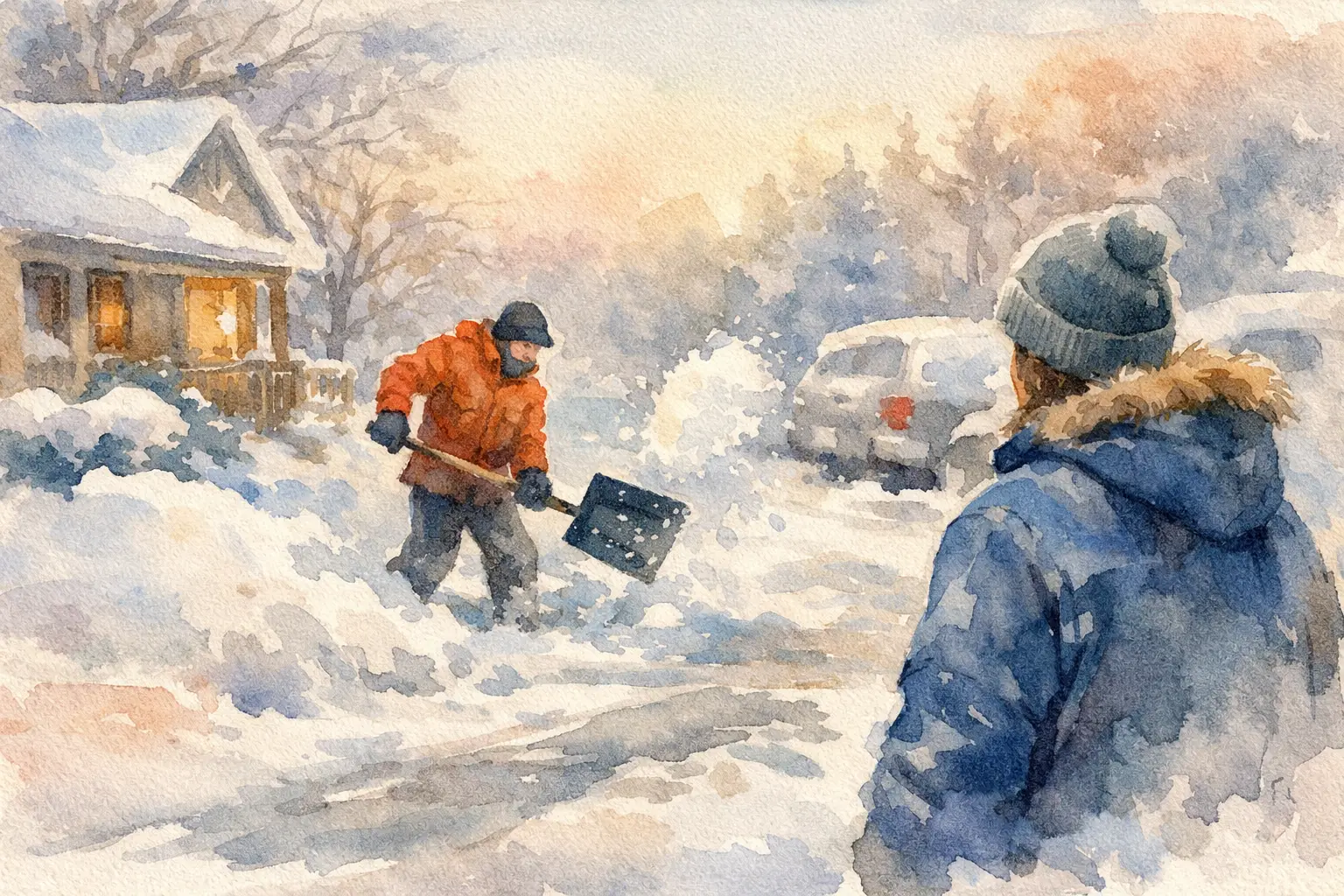
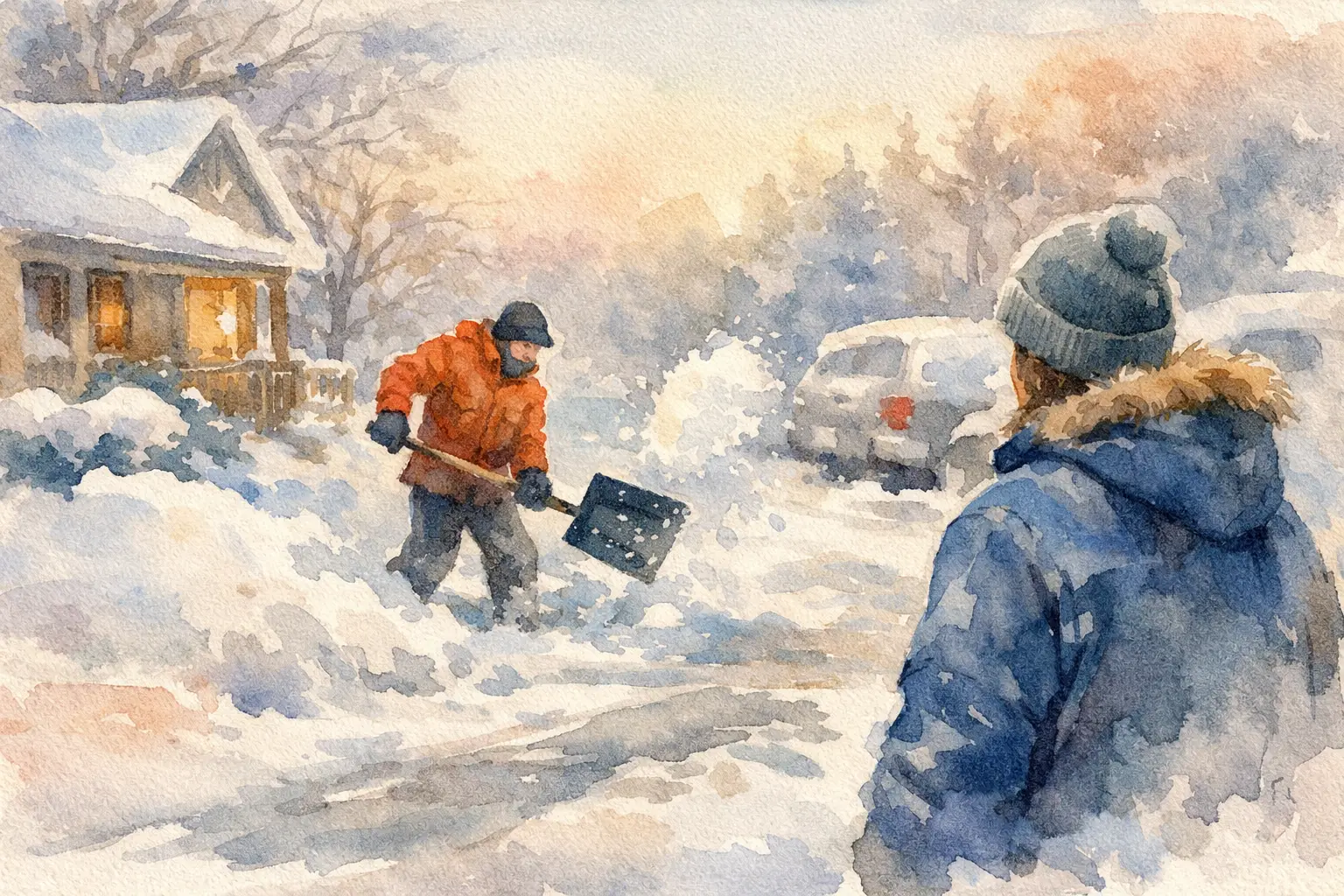
A few inches of snow can turn an ordinary morning into a safety problem. A slick front walk, buried steps, or an uncleared driveway can make it harder to get to work, receive deliveries, or help a family member get out the door. Knowing how to hire snow shoveling help before the next storm gives you one less thing to worry about.

For many Mid-Ohio Valley residents, hiring help is not about avoiding a chore. It is about protecting your back, keeping a path safe, caring for an older relative’s home, or finding time for the kids before school. The best arrangement starts with a clear job, a local worker who understands the conditions, and an agreement that leaves no one guessing.

Decide What You Need Cleared

Snow removal can mean very different things from one property to the next. Before you contact anyone, take a quick look at the areas that matter most. A worker can give a more accurate price and arrive with the right equipment when they know whether the job is a front sidewalk, a long driveway, porch steps, a deck, or all of the above.

Think about access, too. Let the worker know if there are steep steps, a narrow gate, parked vehicles, uneven pavers, or areas where you do not want salt used. If you have pets, mention that you need a pet-safe ice melt or that you would prefer shoveling without de-icer. Those small details help prevent damage to lawns, landscaping, and surfaces hidden below the snow.

It also helps to separate snow clearing from ice treatment. Shoveling removes snow, but a thin layer of packed snow or refrozen meltwater may still be slippery. Ask whether salting is included, available for an added cost, or not part of the job. If the forecast calls for freezing rain, that difference matters.

How to Hire Snow Shoveling With a Clear Job Post

A clear request gets better responses than a vague message asking for snow help. Include your neighborhood or address through the platform’s location tools, the areas to be cleared, and when you need the work done. Say whether the timing is flexible or whether you need a safe path before a medical appointment, school pickup, or early shift.

A useful job post might explain that you need a two-car driveway, front steps, and a sidewalk cleared after snowfall ends, with salt on the steps if conditions require it. You can also note the expected snow depth if you know it. Photos are helpful when a driveway is unusually long, sloped, or difficult to see from the street.

Be specific about your preferred price, but leave room for a fair conversation when storm conditions change. Four inches of dry snow on a flat walk is a different job from heavy, wet snow at the end of a driveway after the plow has passed. A local worker may suggest a different rate based on the size of the area, depth of snow, travel distance, equipment, and whether de-icing materials are needed.

Lawns makes this process neighborly and straightforward: post the job, hear from nearby independent workers, discuss the details in app chat, and arrange secure payment after you are satisfied with the completed work.

Ask About Timing, Tools, and Return Visits

The first person who responds may be a good fit, but take a minute to confirm the plan. Ask when they expect to arrive and whether they are available after the snow stops. During an active storm, some workers make multiple rounds through a neighborhood, while others schedule one visit after accumulation ends.

Find out what tools they plan to use. A shovel is often best for steps, walkways, and tight spaces. A snow blower can save time on larger driveways, but it may not be appropriate for every surface or property layout. If a worker plans to use salt or ice melt, ask what kind and where it will be applied.

For recurring help, discuss what triggers a visit. You might want service after every snowfall of two inches or more, only after a major storm, or only when you send a request. Establishing that expectation early is especially helpful for older adults, rental properties, and families with early morning schedules.

Check Trust Signals Before You Confirm

When you hire someone to work at your home, trust is part of the value. Read available reviews and look for comments about punctuality, communication, care around property, and follow-through. A worker with experience clearing snow may also mention the type of jobs they usually handle, from sidewalks and porches to driveways and salting.

Use the platform’s communication tools to keep job details in one place. Confirm the scope, price, timing, and any special instructions before work begins. It is easier to resolve misunderstandings when both sides can look back at the same conversation.

You do not need to interrogate a neighbor who is trying to earn honest local income. Still, it is reasonable to ask practical questions. Can they clear the full width of the sidewalk? Will they pile snow away from the mailbox, fire hydrant, and drainage areas? Can they text or message when the job is complete? Good workers expect clear questions because they want to do the job right.

Set a Fair Price Without Guesswork

There is no single fair price for snow shoveling. Prices depend on snow depth, the square footage to be cleared, how quickly service is needed, and how difficult the property is to access. Heavier snow takes longer, and a driveway with a steep incline or lots of steps requires more care than a short, level path.

Instead of choosing the lowest number and hoping for the best, consider the full job. Does the price include the walkway, steps, and driveway? Is salt included? Does it cover one visit only, or a return visit if the plow blocks the driveway later? A clear price can be a flat job rate, an hourly rate, or a recurring arrangement for the season. What matters most is that both you and the worker understand it before the snow starts moving.

If you are on a tight budget, prioritize safety-critical areas first. A cleared path from the door to the car, accessible steps, and a safe route for mail or deliveries may matter more than clearing every inch of the property immediately. Tell the worker your priorities so they can recommend the best use of your budget.

Avoid Last-Minute Surprises

Snow emergencies create pressure, and pressure can make small details feel bigger than they are. Prevent problems by agreeing on where snow should be placed. Ask workers not to block your driveway entrance, sidewalks, trash bins, or parked cars. If your neighborhood has rules about sidewalk clearing, make that a priority.

Also consider what happens if conditions are worse than expected. If the snow is deeper than forecast, if rain turns it to heavy slush, or if a city plow leaves a dense ridge at the driveway, the job may take longer. A quick message before extra work begins is a fair way to keep everyone on the same page.

Make the Day of Service Easier

A little preparation helps a local worker finish faster and more safely. Move vehicles if possible, bring in toys and hoses, and mark hazards such as low landscape lights, decorative borders, or a hidden curb. Keep pets inside while snow removal is underway, especially if a blower or de-icing product is being used.

After the work is done, inspect the areas you agreed on while conditions are still clear. Check that steps and walking paths are passable, gates can open, and snow has not been pushed against doors or vents. If something needs attention, communicate promptly and respectfully. Most straightforward issues are easiest to solve right away.

Pay through the agreed secure method only after you are satisfied with the work. Then leave an honest review. A few specific words about a worker arriving on time, communicating well, or taking care around your property help other neighbors hire with more confidence. They also help dependable local workers build a stronger reputation close to home.

Snow will keep coming, but you do not have to carry every winter task alone. When you plan ahead, communicate clearly, and hire someone who treats your property with care, a cleared path can become one of the simplest ways neighbors look out for one another.
Leave a comment

Your email address will not be published. Required fields are marked *

How to Hire Snow Shoveling Help This Winter

How to Hire Snow Shoveling Help This Winter

A few inches of snow can turn an ordinary morning into a safety problem. A slick front walk, buried steps, or an uncleared driveway can make it harder to get to work, receive deliveries, or help a family member get out the door. Knowing how to hire snow shoveling help before the next storm gives you one less thing to worry about.

For many Mid-Ohio Valley residents, hiring help is not about avoiding a chore. It is about protecting your back, keeping a path safe, caring for an older relative’s home, or finding time for the kids before school. The best arrangement starts with a clear job, a local worker who understands the conditions, and an agreement that leaves no one guessing.

Decide What You Need Cleared

Snow removal can mean very different things from one property to the next. Before you contact anyone, take a quick look at the areas that matter most. A worker can give a more accurate price and arrive with the right equipment when they know whether the job is a front sidewalk, a long driveway, porch steps, a deck, or all of the above.

Think about access, too. Let the worker know if there are steep steps, a narrow gate, parked vehicles, uneven pavers, or areas where you do not want salt used. If you have pets, mention that you need a pet-safe ice melt or that you would prefer shoveling without de-icer. Those small details help prevent damage to lawns, landscaping, and surfaces hidden below the snow.

It also helps to separate snow clearing from ice treatment. Shoveling removes snow, but a thin layer of packed snow or refrozen meltwater may still be slippery. Ask whether salting is included, available for an added cost, or not part of the job. If the forecast calls for freezing rain, that difference matters.

How to Hire Snow Shoveling With a Clear Job Post

A clear request gets better responses than a vague message asking for snow help. Include your neighborhood or address through the platform’s location tools, the areas to be cleared, and when you need the work done. Say whether the timing is flexible or whether you need a safe path before a medical appointment, school pickup, or early shift.

A useful job post might explain that you need a two-car driveway, front steps, and a sidewalk cleared after snowfall ends, with salt on the steps if conditions require it. You can also note the expected snow depth if you know it. Photos are helpful when a driveway is unusually long, sloped, or difficult to see from the street.

Be specific about your preferred price, but leave room for a fair conversation when storm conditions change. Four inches of dry snow on a flat walk is a different job from heavy, wet snow at the end of a driveway after the plow has passed. A local worker may suggest a different rate based on the size of the area, depth of snow, travel distance, equipment, and whether de-icing materials are needed.

Lawns makes this process neighborly and straightforward: post the job, hear from nearby independent workers, discuss the details in app chat, and arrange secure payment after you are satisfied with the completed work.

Ask About Timing, Tools, and Return Visits

The first person who responds may be a good fit, but take a minute to confirm the plan. Ask when they expect to arrive and whether they are available after the snow stops. During an active storm, some workers make multiple rounds through a neighborhood, while others schedule one visit after accumulation ends.

Find out what tools they plan to use. A shovel is often best for steps, walkways, and tight spaces. A snow blower can save time on larger driveways, but it may not be appropriate for every surface or property layout. If a worker plans to use salt or ice melt, ask what kind and where it will be applied.

For recurring help, discuss what triggers a visit. You might want service after every snowfall of two inches or more, only after a major storm, or only when you send a request. Establishing that expectation early is especially helpful for older adults, rental properties, and families with early morning schedules.

Check Trust Signals Before You Confirm

When you hire someone to work at your home, trust is part of the value. Read available reviews and look for comments about punctuality, communication, care around property, and follow-through. A worker with experience clearing snow may also mention the type of jobs they usually handle, from sidewalks and porches to driveways and salting.

Use the platform’s communication tools to keep job details in one place. Confirm the scope, price, timing, and any special instructions before work begins. It is easier to resolve misunderstandings when both sides can look back at the same conversation.

You do not need to interrogate a neighbor who is trying to earn honest local income. Still, it is reasonable to ask practical questions. Can they clear the full width of the sidewalk? Will they pile snow away from the mailbox, fire hydrant, and drainage areas? Can they text or message when the job is complete? Good workers expect clear questions because they want to do the job right.

Set a Fair Price Without Guesswork

There is no single fair price for snow shoveling. Prices depend on snow depth, the square footage to be cleared, how quickly service is needed, and how difficult the property is to access. Heavier snow takes longer, and a driveway with a steep incline or lots of steps requires more care than a short, level path.

Instead of choosing the lowest number and hoping for the best, consider the full job. Does the price include the walkway, steps, and driveway? Is salt included? Does it cover one visit only, or a return visit if the plow blocks the driveway later? A clear price can be a flat job rate, an hourly rate, or a recurring arrangement for the season. What matters most is that both you and the worker understand it before the snow starts moving.

If you are on a tight budget, prioritize safety-critical areas first. A cleared path from the door to the car, accessible steps, and a safe route for mail or deliveries may matter more than clearing every inch of the property immediately. Tell the worker your priorities so they can recommend the best use of your budget.

Avoid Last-Minute Surprises

Snow emergencies create pressure, and pressure can make small details feel bigger than they are. Prevent problems by agreeing on where snow should be placed. Ask workers not to block your driveway entrance, sidewalks, trash bins, or parked cars. If your neighborhood has rules about sidewalk clearing, make that a priority.

Also consider what happens if conditions are worse than expected. If the snow is deeper than forecast, if rain turns it to heavy slush, or if a city plow leaves a dense ridge at the driveway, the job may take longer. A quick message before extra work begins is a fair way to keep everyone on the same page.

Make the Day of Service Easier

A little preparation helps a local worker finish faster and more safely. Move vehicles if possible, bring in toys and hoses, and mark hazards such as low landscape lights, decorative borders, or a hidden curb. Keep pets inside while snow removal is underway, especially if a blower or de-icing product is being used.

After the work is done, inspect the areas you agreed on while conditions are still clear. Check that steps and walking paths are passable, gates can open, and snow has not been pushed against doors or vents. If something needs attention, communicate promptly and respectfully. Most straightforward issues are easiest to solve right away.

Pay through the agreed secure method only after you are satisfied with the work. Then leave an honest review. A few specific words about a worker arriving on time, communicating well, or taking care around your property help other neighbors hire with more confidence. They also help dependable local workers build a stronger reputation close to home.

Snow will keep coming, but you do not have to carry every winter task alone. When you plan ahead, communicate clearly, and hire someone who treats your property with care, a cleared path can become one of the simplest ways neighbors look out for one another.

Leave a comment

Your email address will not be published. Required fields are marked *